Italiano


Difficulty level 2 - low; suitable for beginners
opportunistic spider that thrive in drier environments
Long-lived Tarantula
CITES B CERTIFICATE

We accept payments quickly, easily, and securely.

Express Courier
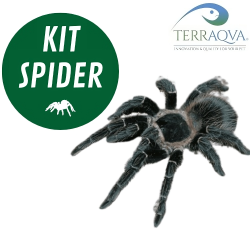
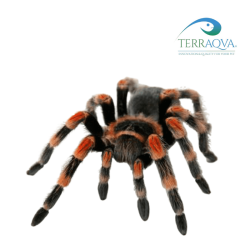
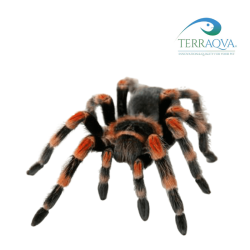
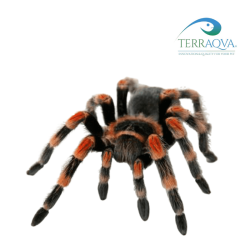
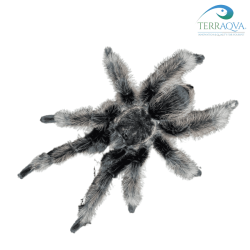
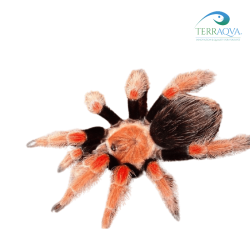
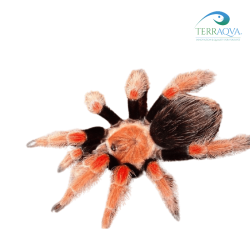
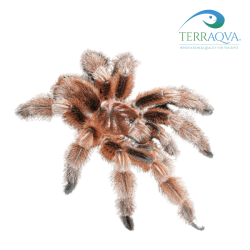
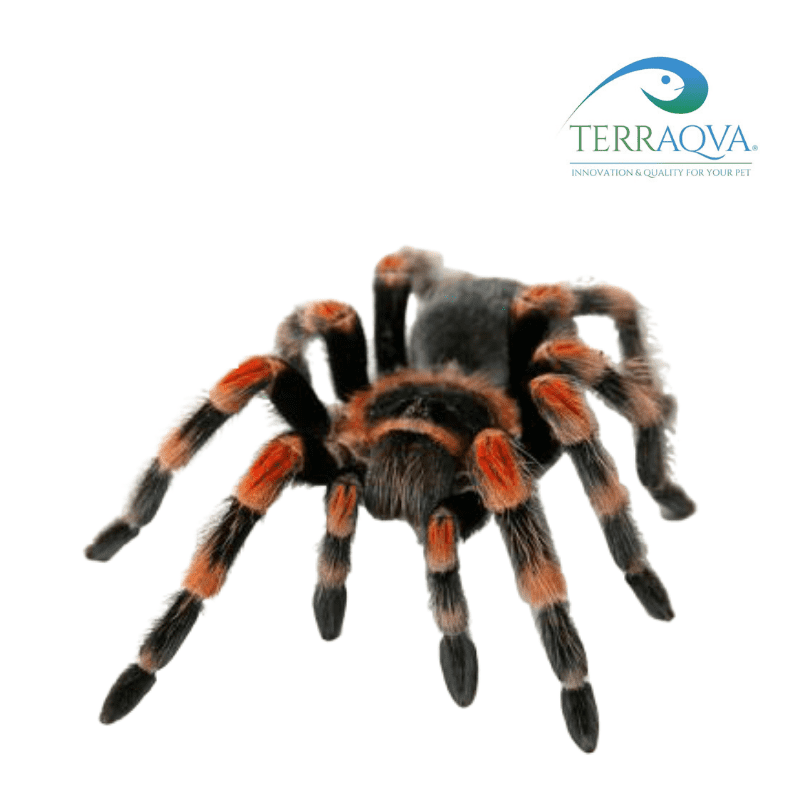
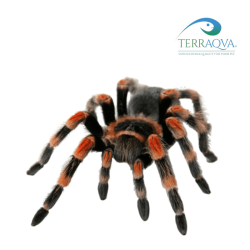
The Brachypelma hamorii (EX Brachypelma smithi), or Mexican Red-Knee tarantula, is one of the most famous tarantulas in the hobby; it is perfect for beginners, non-aggressive, and capable of reaching a size of 12 cm
SIZE: S – About 1,5/2 cm
SEX: Not sexed
FOUND IN: Mexico and arid areas
ENVIRONMENTAL VALUES: temperature 26-28 degrees Celsius during the day, 22-24 degrees Celsius at night ;humidity around 60 to 65%
DIET: insects of a size appropriate for the tarantula (crickets, cockroaches, worms, locusts)
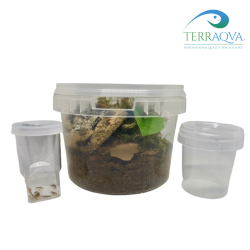
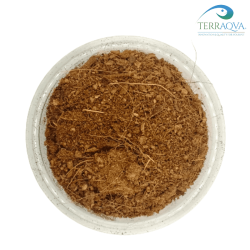
SETUP: Terrarium or faunabox 30x30x25cm, 5cm substrate of peat/coconut fiber and sand, a water dish always available, and a natural or artificial shelter
HABITS: Opportunistic arachnid
BEHAVIOR: Quite "docile", it rather run away instead of attacking. If stressed throws stinging hairs like most Brachypelmas. It is also among the easiest tarantulas to keep
GROWTH RATE: Very slow, as it has a slow metabolism,
LIFESPAN: It can reach up to 25 to 30 years in captivity
STATUS CITES: CITES B
Specific References
Complete BIOACTIVE kit for the breeding of a tarantula, of medium management and medium size
Ability to choose various types of tarantulas, tropical or desert environments
Live food set, heating mat, included in each kit (even single)
You can also combine the Skylight LED lighting system in the kit **
Aggressive level 2 - low; suitable for novices
Deserticola/opportunist
Very low, long-lived and static growth
Cites B Certificate
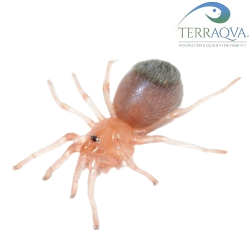
565ml full kit for Spiderling or Scorpling
Removable cover, with sterile air and air filter!
Live food dose for sling
Aggressive level 2 - low; suitable for novices
Deserticola/opportunist
Very low, long-lived and static growth
Cites B Certificate
Aggressive level 2 - low; suitable for novices
Deserticola/opportunist
Very low, long-lived and static growth
Cites B Certificate
Difficulty level 1 - suitable for beginners and very docile
Terrestrial Tarantula, typically found in south Brazil
Medium growth and fairly long-lived
RARITA ' - suitable for the most experienced for disposition and terrarium management
Aggressive level 5 - medium aggressive and very fast in movements
Arboricola, typical of Venezuela's forests
Needs a terrarium developed in height and well-aired
RARITY
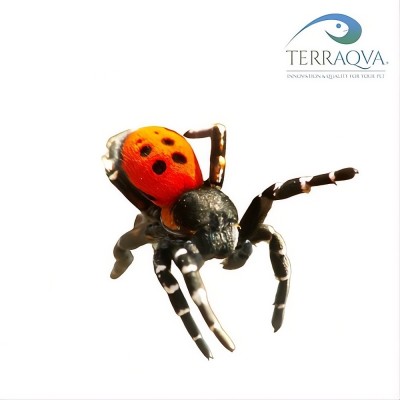
Aggressive level 2 - low, harmless to humans
Widespread in Southern Europe
dry setup
RARITY - Locality from Nicaragua
Aggression Level 4 - medium/high; suitable for beginners
Terrestrial/opportunistic, tropical habitat
Fast growth and easy breeding
Aggressiveness level: 8 - Suitable for experienced terrarium keepers, quite aggressive.
Behavior: Opportunistic, fast-growing, and rapid in movement.
Habitat: Tropical environment, South America.
Aggressive level 8 - very fast and very aggressive if threatened
Widespread in Sri Lanka
Arboricola, requires a tropical terrarium developed in height
Beautiful tropical tarantula of the genus Phormingochilus, recently discovered
Aggressiveness level 5 - medium management, with a nervous temperament
Widespread in Indonesia
Arboreal, it loves to rest on the branches of trees
maintenance difficulty 2 - suitable for newbies
Opportunistic Tarantula, it is mainly found in Mexico and arid plains
fast growing and extremely voracious at any size
Female specimen, rare on the market and highly sought after by enthusiasts in the sector
Difficulty Level 2 - perfect choice for beginners
Opportunistic Tarantula that thrive in drier environments
Voracious and slow growing species
RARITA ' - It is not easily found on the market compared to others of the same family
Aggressive level 3 - low, suitable for newbies thanks to the quiet disposition
Widespread in various areas of Chile and Bolivia
RARITY, present on the market very rarely and among the species most sought after by enthusiasts
Aggression level 5 - moderately aggressive if particularly stressed
Widespread mainly in Africa, fossorial character and reaches 7 cm in size
Easy management even for the neophyte, requiring no special care
Difficulty level 3 - low; suitable for beginners
Terrestrial/Opportunistic
Slow growing and easy to care for
Cites B Certificate
Difficulty level 2 - extremely resilient and easy to care for
Terrestrial, South American tropical environment
Grows very quickly being very easy to feed