Italiano


RARITY
Aggressive level 2 - low, harmless to humans
Widespread in Southern Europe
dry setup

We accept payments quickly, easily, and securely.

Express Courier
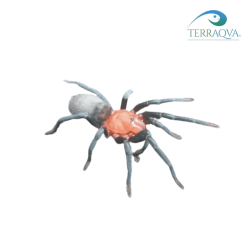
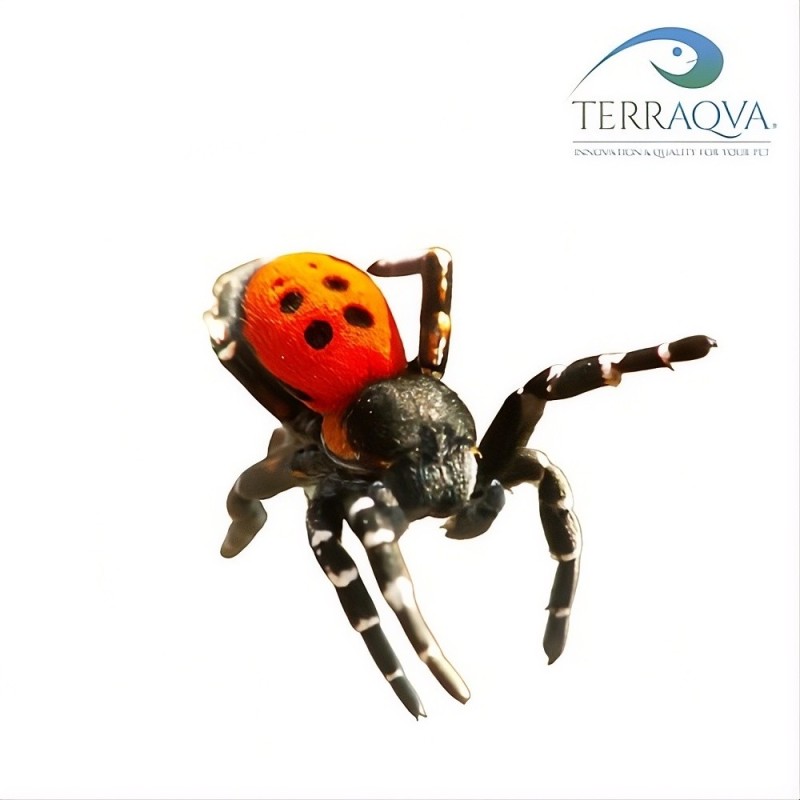
Eresus Sandaliatus also known as the velvet ladybird spider for its characteristic colors and known for the soft fur that distinguishes all Eresidae
DIMENSIONS: about 1cm
ORIGIN: Southern Europe
AMBIENTAMENT VALUES: temperature 25-26 degrees Celsius during the day, 20-22 degrees Celsius overnight humidity 60-65%
ALIMENTATION: small insects for spiderling (prefer drosophile) but also springtails and micro crickets.
TIP CONSES: small terrarium or faunabox, 20x20x20; it is important to maintain adequate air circulation, these animals, can also be kept in kits suitable for spiderling throughout life being still small in size
HABITS: arachnid purely arboreal
AGGRESSIVITA: 2 – harmless spider for man, can still, like all arachnids bite without any harm anyway. It is a very voracious variety, willingly accepts live food, waiting for the grip behind its lair
GROWTH RAPIDIITY: Average
STATUS CITES: no
Specific References
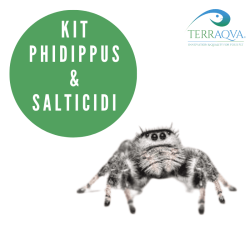
Complete kit to start the breeding of a Phidippus regius and other spiders
The kit contains feed and decoration!
Aggressive level 2 - suitable for newbies and very docile
Terrestrial, typically found in south Brazil
Average and fairly long-lived growth
SIZE M FEMALE, EXTREMELY RARE IN THE HOBBY
Aggressive level 4 - medium/high; suitable for newbies
Terricola/opportunist, tropical environment
Fast and easy-to-farm growth
Cites B Certificate
Aggressiveness level 2 - unpredictable, fast but docile and suitable for beginners
Widespread in various of Trinidad and surrounding areas
Terricola fossoria, with medium growth and small size when adult
Aggressiveness level 2 - unpredictable, fast but docile and suitable for beginners
Widespread in various of Trinidad and Venezuela
Terricola fossoria, with medium growth and small size when adult
RARITA ' - suitable for the most experienced for disposition and terrarium management
Aggressive level 5 - medium aggressive and very fast in movements
Arboricola, typical of Venezuela's forests
Needs a terrarium developed in height and well-aired
Aggressive level 4 - medium/high; suitable for newbies
Semi-arboreal species
Fast and easy-to-farm growth
Aggression level 8 - for experienced terrariophiles
Size L - about 7-8 cm and medium growth
It comes from Ghana and Benin, highly appreciated for its colouring
Arboricola, requires tall and spacious terrari
Temperament - voracious but easy to manage species
High growth, native to the forests of Brazil
Terrestrial, among the most resistant and reaches medium size
Beautiful tropical tarantula of the genus Phormictopus, up to 17 cm of legspan when adult!
Aggressiveness level 5 - medium management, with a nervous temperament and stinging hair
Widespread and endemic to Cuba
Fossoria, loves to dig several tunnels inside the terrarium
RARITA ' - Recently present on the hobby market
Aggressive level 1 - low
Widespread especially in Brazil
Docile temper, easy to breed even for newbies
RARITA ' - It is not easily found on the market compared to others of the same family
Aggressive level 1 - low, very suitable for newbies or for those approaching the world of migals
Widespread in Paraguay and Argentina
Tarantola land, needs hiding/shelter
RARITY - one of the most beautiful tarantulas in Colombia
Aggression level 4 - aggressive and defensive behavior
Highly sought after variety, which does not tolerate environmental variations; dedicated to the most experienced
Rather voracious, it feeds on a varied diet; as adults they also accept pinky
Aggressive level 3 - medium/low; suitable for newbies
Semi-arboreal species
Fast and easy-to-farm growth
Aggressive level 6 - voracious and a little nervous species
Size L - about 5/6 cm and high growth
Tropical Terricular