Italiano


- Out-of-Stock
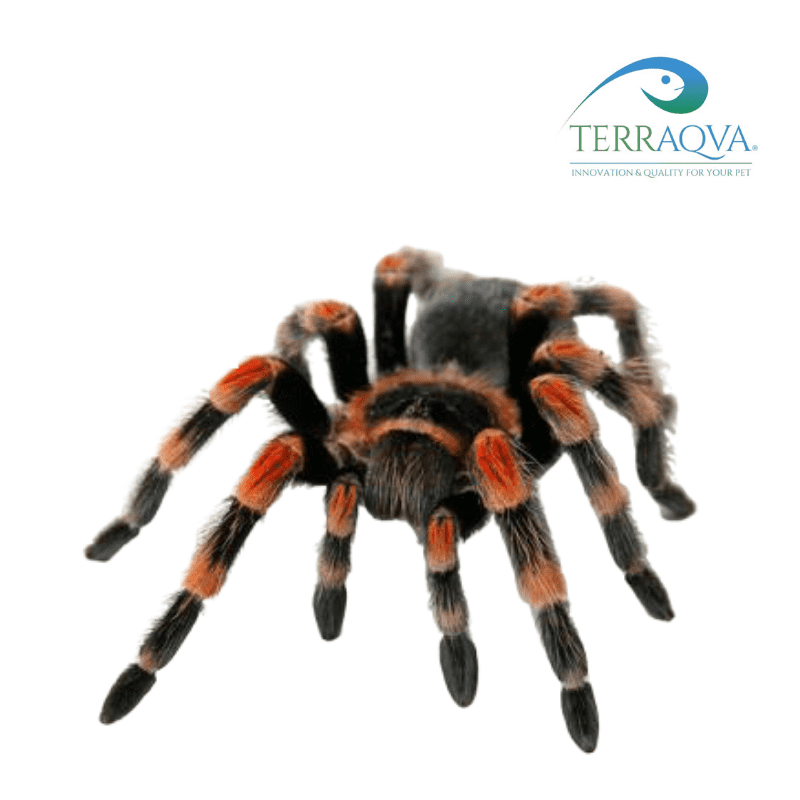
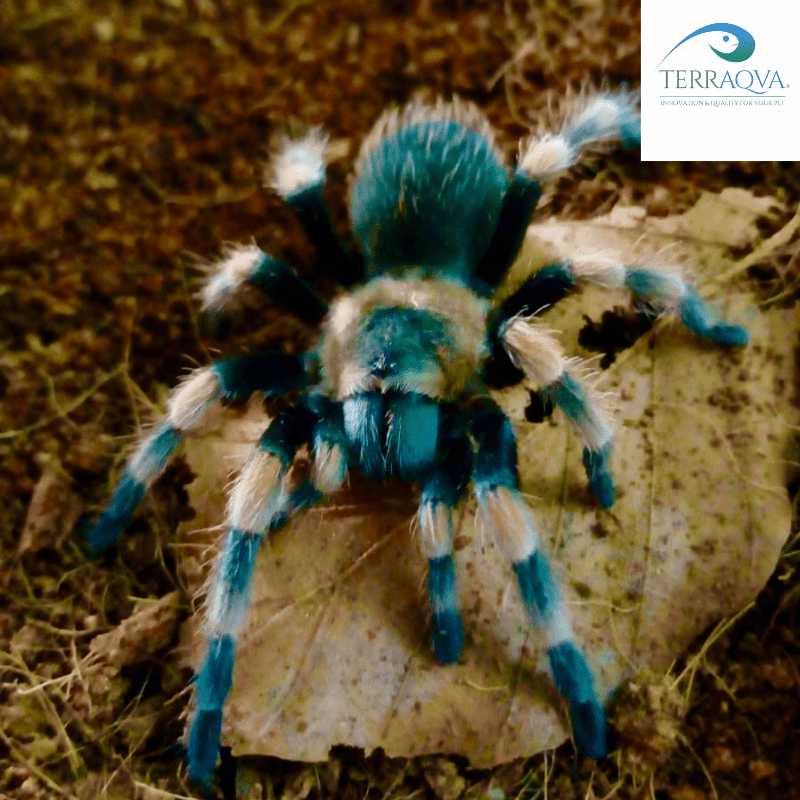
Aggressive level 2 - low; suitable for novices
Deserticola/opportunist
Very low, long-lived and static growth
Cites B Certificate

We accept payments quickly, easily, and securely.

Express Courier
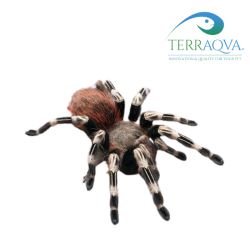
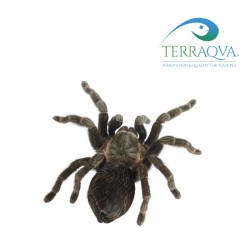
The Brachypelma hamorii (Brachypelma smithi) or Mexican red-knee tarantula is one of the most famous tarantulas, suitable for beginners, non-aggressive; it reaches 12 cm in length, can live up to 15 years and feeds on insects.
DIMENSIONS: Size M – 5/6 cm.
SOURCE: Mexico and arid areas
AMBIENTAMENT VALUES: temperature 27-28 degrees Celsius during the day, 22-24 degrees Celsius night humidity 60-65%
ALIMENTATION: size-appropriate insects (grills, cockroaches, worms, locusts) medium size isopods
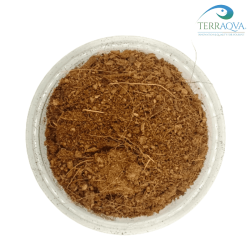
TIP SET UP: terrarium or faunabox 30x30x25, substrate 5 cm vermiculite and sand, along with succulent plants, bowl with water or hydrogel always present and a natural or artificial shelter
ABITUDINI: desertion/opportunistic arachnid
AGGRESSIVITA: 2 – low, very docile, prefers escape to attack. If stressed throws stinging hairs like most brachypelma
GROWTH RAPIDITY: Very slow, as it has a slow metabolism, it is also among the easiest to feed in terraristic and to manage as well as the longest-lived
STATUS CITES: CITES B
Want to raise one but don't know how to set up the terrarium? BUY OUR COMPLETE SPIDER KIT OR FULL SLING STARTER KIT
Specific References
12.5 cm pliers made of rigid plastic, easy sanitizes
Ideal for administering live food or removal of residues
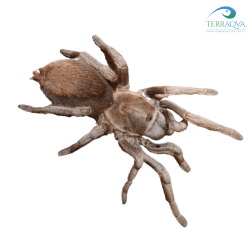
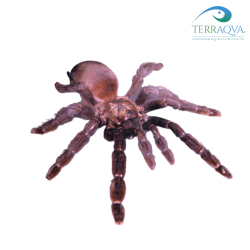
RARITY - It has the characteristic central horn on the carapace
Medium growth, up to 15 cm (including legspan)
Fossorial Tarantula, widespread in various areas of Zimbabwe
Rare female specimen size M/L
Aggressive level 5 - character rather nervous but not always aggressive
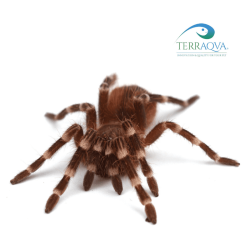
Widespread in Brazil and surrounding areas
Rather voracious, it reaches a size of up to 17 cm
RARITY - Rarely offered on the market and available for enthusiasts
Aggressiveness level 4 - Suitable for beginners, of medium management
Widespread in various areas of Nicaragua and Costa Rica
Slow-growing tarantula, with females living up to 25 years!
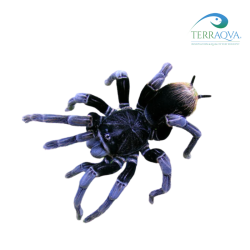
RARITY - Very rare on the European market, incredibly beautiful!
Aggression Level 9 - Particularly aggressive, suitable for experts
Frequently found in Mozambique, in the desert savannah areas
Terrestrial tarantula, medium growth and size
Difficulty level 3 - low; suitable for beginners
Terrestrial/Opportunistic
Slow growing and easy to care for
Cites B Certificate
Aggressiveness level: 8 - Suitable for experienced terrarium keepers, quite aggressive.
Behavior: Opportunistic, fast-growing, and rapid in movement.
Habitat: Tropical environment, South America.
RARITY - not easily found on the market
Aggression level 8 - particularly defensive, similar to the Theraphosa genus
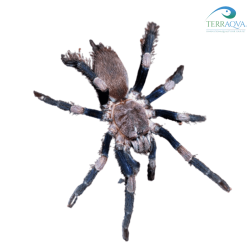
Distributed in Ecuador and Peru
Ground-dwelling tarantula, medium growth, up to 25 cm including legspan!
RARITY - Not easily found on the market
Aggression Level 5 - Particularly fast and defensive, especially when provoked
Common in Costa Rica
Arboreal tarantula, fast growing and average lifespan of about 10-12 years (females)
Aggressive level 1 - very docile suitable for neophyte
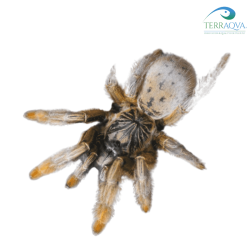
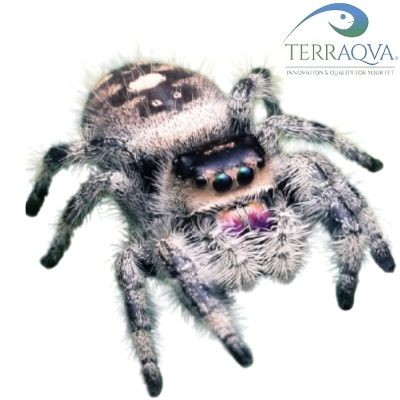
Size S/M - about 0.5 to 2,2 cm and high growth
With vibrant colors and a calm temperament: perfect for beginners!
Difficulty level 2 - extremely resilient and easy to care for
Terrestrial, South American tropical environment
Grows very quickly being very easy to feed