Italiano


- Out-of-Stock
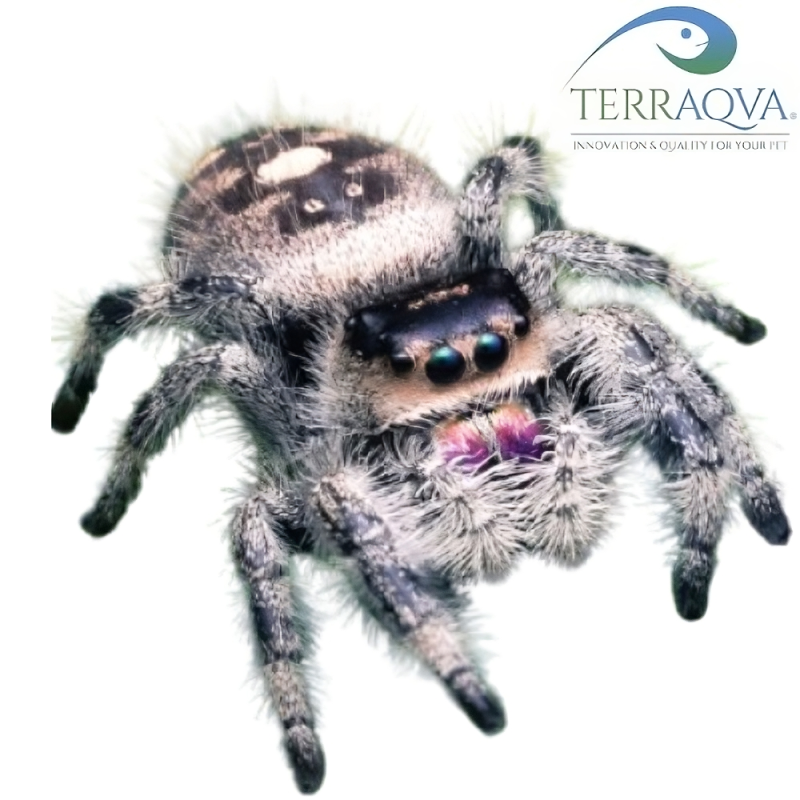
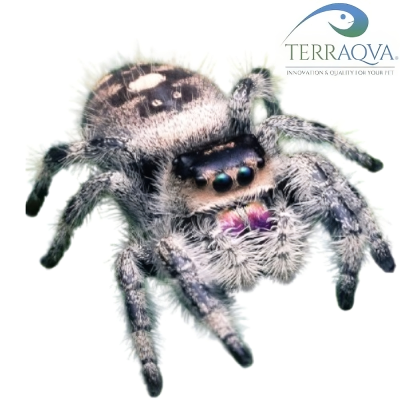
Aggressive level 1 - very docile suitable for neophyte
Size S/M - about 0.5 to 2,2 cm and high growth
With vibrant colors and a calm temperament: perfect for beginners!

We accept payments quickly, easily, and securely.

Express Courier
DIMENSIONS: Size S/M - from 0.5 cm up to 2 cm about body, legspan included;
ORIGINE: Andros, Bahamas
AMBIENTMENT VALUES: Environment temperature 24-28 degrees Celsius during the day, humidity 60%-70%
ALIMENTATION: Small-sized insects (grills, cockroaches, worms) small size isopods and must be regularly fed on a varied diet, also accepts thermobia and flying prey, such as drosophila
TIP SET- Faunabox 5.8lt 19x19 or 500ml containers, substrate of about 3-4 cm with peat always dry, hydrogel for hydration of the migal and a shelter in which to burrow, natural or artificial. Needs optimal ventilation and loves natural, non-direct light
ABITUDINI: Arboricular, but has terrific curtains during the time of the hunt
AGGRESSIVITA: 1 – docile, very easy to manage, especially for the neophyte
GROWTH RAPIDIITY: high as it's quite voracious
STATUS CITES: no
Specific References
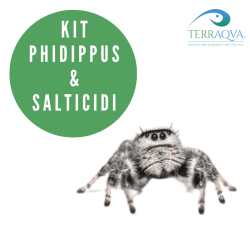
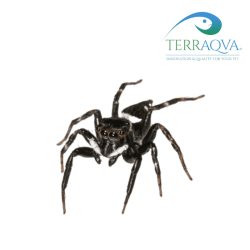
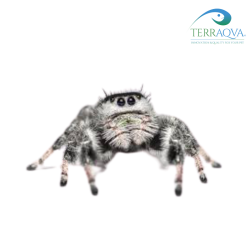
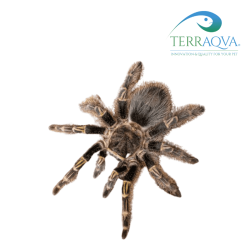
Complete kit to start the breeding of a Phidippus regius and other spiders
The kit contains feed and decoration!
Aggressive level 2 - quite low
Widespread in the US and Australia
Arboreal spider with features similar to other jumpicides (e.g. phidippus)
Easy breeding in rather small terraces
RARITA ' - It is not easily found on the market compared to others of the same family
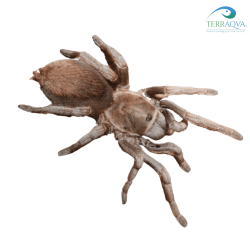
Aggressive level 1 - low, very suitable for newbies or for those approaching the world of migals
Widespread in Paraguay and Argentina
Tarantola land, needs hiding/shelter
RARITA ' - It is not easily found on the market compared to others of the same family
Aggressive level 1 - low, very suitable for newbies or for those approaching the world of Tarantulas
Widespread in Paraguay and Argentina
Tarantola land, needs hiding/shelter
RARITY - Rarely offered on the market and available for enthusiasts
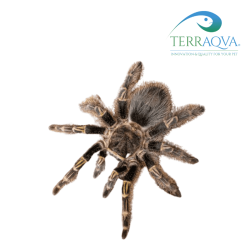
Aggressiveness level 4 - Suitable for beginners, of medium management
Widespread in various areas of Nicaragua and Costa Rica
Slow-growing tarantula, with females living up to 25 years!
Difficulty level 2 - resistant and easy to keep species
Terrestrial, it needs a tropical environment
Easy to care for
Cites B Certificate
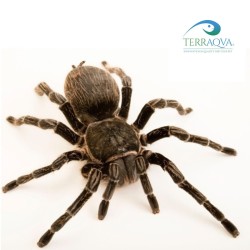
Aggressive level 2 - rather docile although it can present a defensive character if stressed
Widespread in East Africa
Tarantola ditch, also suitable for newbies
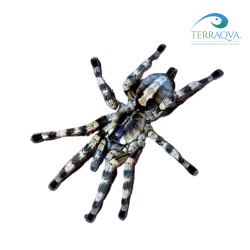
Beautiful tropical tarantula, polychromatic, with very bright colors
Aggression level 5 - medium management, with a defensive temperament if threatened
Origin: near Kerala, India and discovered by Deva Matha College (India)
Big diggers, they need medium humidity and substrate up to about 30 cm high!
Aggressive level 4 - voracious but docile species
Size S - about 2.5 cm and high growth
Tropical Terricular
Difficulty level 2 - low; suitable for beginners
opportunistic spider that thrive in drier environments
Long-lived Tarantula
CITES B CERTIFICATE
RARITY
Aggressive level 2 - low, harmless to humans
Widespread in Southern Europe
dry setup
Difficulty level 7 - very fast and defensive if stressed
Widespread in Trinidad and Tobago
Tarantula quite resistant even to relatively low temperatures
Aggressive level 2 - low; suitable for novices
Deserticola/opportunist
Very low, long-lived and static growth
Cites B Certificate
Aggressive level 4 - medium/high; suitable for newbies
Terricola/opportunist, tropical environment
Fast and easy-to-farm growth
Cites B Certificate
RARITY - Very rare on the European market, with great beauty!
Aggressiveness level 9 - suitable for experts
Widespread in a restricted area from Panama to Venezuela
Terrestrial tarantula, medium growth and size
RARITY - requested and sought after, as well as being a recently appeared tarantula on the market
Aggressiveness level 7 - Nervous and rather aggressive character
Widespread in Panama and other areas of Central America
It is one of the largest tarantulas in all of Central America
Level aggression 7 - voracious and fast
Terricola, tropical South American environment
Grows very quickly and very easy to feed