Italiano


- Out-of-Stock


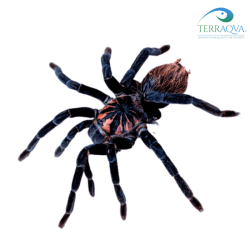
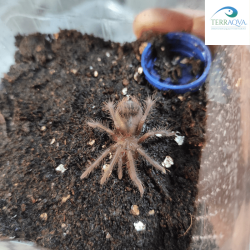
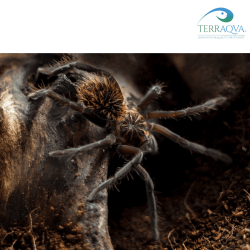
RARITY - Very rare on the European market, with great beauty!
Aggressiveness level 9 - suitable for experts
Widespread in a restricted area from Panama to Venezuela
Terrestrial tarantula, medium growth and size

We accept payments quickly, easily, and securely.

Express Courier
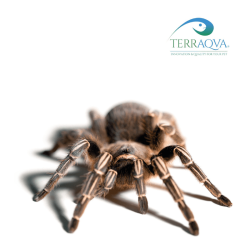
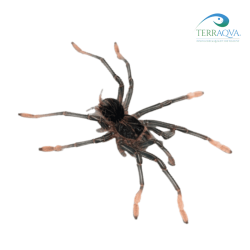
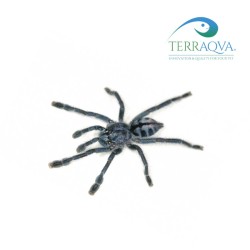
Xenesthis immanis is a beautiful black tarantula with purple hues and a beautiful pattern. It is one of the rarest and most expensive tarantulas in the sector, due to its rarity and difficulty in breeding
DIMENSIONS: M 6 cm legspan included; when adult it measures about 9/10 cm of body (legspan excluded)
ORIGIN: Panama, Venezuela
AMBIENT VALUES: temperature 26 ° -27 ° C daytime, 22-23 ° C nighttime humidity 75-85% and optimal ventilation
FEEDING: small insects for spiderlings (they prefer drosophile) and, from size M, feeding insects (crickets, cockroaches, worms, locusts) of adequate size are good. Medium sized isopods, quite voracious. In particular, crickets and locusts are indicated as they are highly protein
RECOMMENDED EQUIPMENT: large terrarium, 50x50x40 cm for adults, 30x30x30 for young and medium sizes. The substrate should be at least 15 cm high peat and mixed coco fiber, together with tropical plants and, on the substrate, appreciated are natural elements such as natural leaves and more, which simulates as much as possible the typical environment of this tarantula. A large bowl for water and optimal ventilation is required, simulating the undergrowth of the Amazonian ares adjacent to the areas of origin. In addition to the bowl, it is also advisable to maintain a more humid area of ​​the terrarium and a drier one, which is particularly appreciated
HABITS: purely terricolous arachnid
AGGRESSIVITY: 8 - not suitable for beginners, given the aggressiveness and breeding difficulties, bearing in mind that it is a new species, of which very little is still known besides its rarity on the terrarium market. It is also equipped with stinging hairs and has an unpredictable character
RAPID GROWTH: average
STATUS CITES: no
CLINICAL / TOXICOLOGICAL INFO: WCH ADELAIDE UNIVERSITY; AUSTRALIA
Specific References
Level aggressiveness 2 - suitable for novice newbies
Night Terricola, Tropical South American Environment
Very slow growth
Difficulty level 2: - Excellent choice for beginners as it is robust and easy to keep
It reaches 15 cm in length
Average growth and quite long-lived
Difficulty level 8 - extremely fast, recommended for experienced keepers
It comes from Ghana and Benin, highly appreciated for its colours
Arboreal, requires a tall enclosure with good airflow
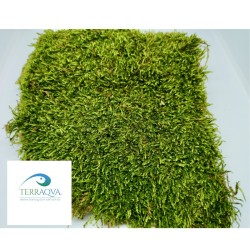
Green moss, in portioned clods
Great for tropical and subtropical terrariums
Provides additional shelter and keeps humidity stable
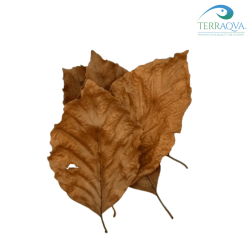
Beech (Fagus sp.)
Practical 1-litre and sterilized steam pack
Ideal for enriching terraries for invertebrates, reptiles and amphibians
Natural food source for centipedes, snails and ornamental insects
Suitable for breeding isopods and enriching terrariums for tropical anuri
From controlled and sustainable crops in South America, without pesticides
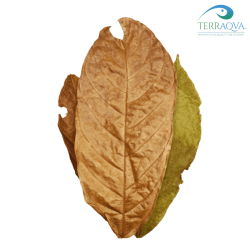
Large leaves (about +30 cm) and beautiful color
Ideal for covering tropical terrariums, providing shelter for exotic invertebrates, reptiles and amphibians
Contains humic acids and tannins, for greater protection against fungi and bacteria in the terrarium
RARITA ' - is one of the most sought after and expensive varieties in the industry
Level aggression 5 - rather nervous and defensive with the classic posture
Widespread South Africa
Tarantola ditch, needs special care and not suitable for newbies
Rarity, for newbies and experts
Aggression level 2 - docile but sometimes nervous
Arboricola, typical of The Venezuelan Forests
It needs a well-structured, breezy terrarium
RARE - suitable for the most experienced for disposition and terrarium management
Aggressive level 5 - medium aggressive and very fast in movements
Arboricola, typical of Venezuela's forests
Needs a terrarium developed in height and well-aired
Aggressive level 5 - character rather nervous but not always aggressive
Widespread in Brazil and surrounding areas
Rather voracious, it reaches a size of up to 17 cm
Difficulty level 5 – temperament can be skittish at times, but not difficult to care for
Found in Venezuela
A species capable of "sculpting" the terrarium, making extensive use of its thick webbing
Aggressive level 6 - voracious and a little nervous species
Size L - about 5/6 cm and high growth
Tropical Terricular
Aggression level 2 - docile but very fast and unpredictable
Size s - about 2 and medium growth
Terricular with ditching habits
Difficulty level 2 - extremely resilient and easy to care for
Terrestrial, South American tropical environment
Grows very quickly being very easy to feed
Aggressiveness level: 8 - Suitable for experienced terrarium keepers, quite aggressive.
Behavior: Opportunistic, fast-growing, and rapid in movement.
Habitat: Tropical environment, South America.
Rarity, for newbies and experts
Aggression level 2 - docile but sometimes nervous
Arboricola, typical of South American forests
It needs a well-structured, breezy terrarium
Level aggressiveness 2 - suitable for novice newbies
Night Terricola, Tropical South American Environment
Very slow growth
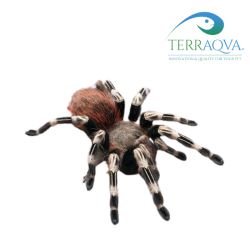
Aggressive level 5 - character rather nervous but not always aggressive
Widespread in Brazil and surrounding areas
Rather voracious, it reaches a size of up to 17 cm
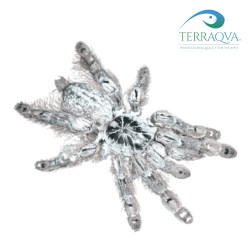
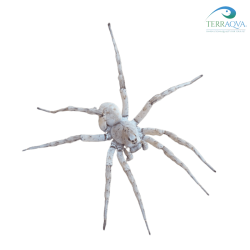
RARITY - Morph of a wolf spider, with a white color all over the body
Aggressiveness level 2 - Easy to manage, requires small and medium sized terrariums
Widespread in various areas of North America
Create a thick web inside the terrarium, quite voracious
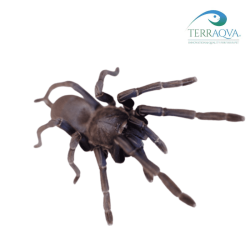
Aggressive level 5 - medium/high; very fast and nervous, not suitable for beginners
Widespread in Vietnam, Myanmar, India
Create beautiful tunnels and cobwebs inside the terrarium
Rather voracious, fossorial/terrestrial
RARITA - for newbies and experts
Aggression level 3 - docile but sometimes nervous and quite quick
Arboricola, typical of the Cameroon jungle
Needs a height-developed, well-ventilated terrarium
Needed humidity around 70-80%
RARITA ' - It is not easily found on the market compared to others of the same family
Aggressive level 1 - low, very suitable for newbies or for those approaching the world of migals
Widespread in Paraguay and Argentina
Tarantola land, needs hiding/shelter