Italiano


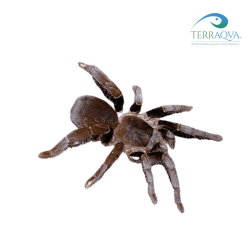
RARITA ' - It is not easily found on the market compared to others of the same family
Aggressive level 1 - low, very suitable for newbies or for those approaching the world of Tarantulas
Widespread in Paraguay and Argentina
Tarantola land, needs hiding/shelter

We accept payments quickly, easily, and securely.

Express Courier
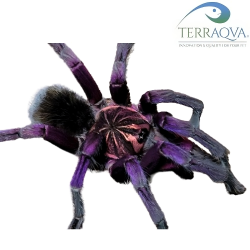
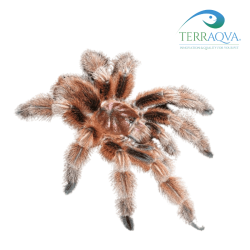
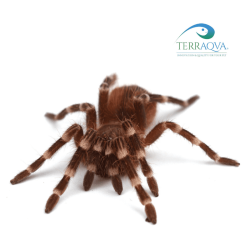
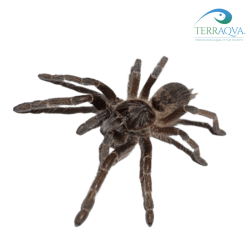
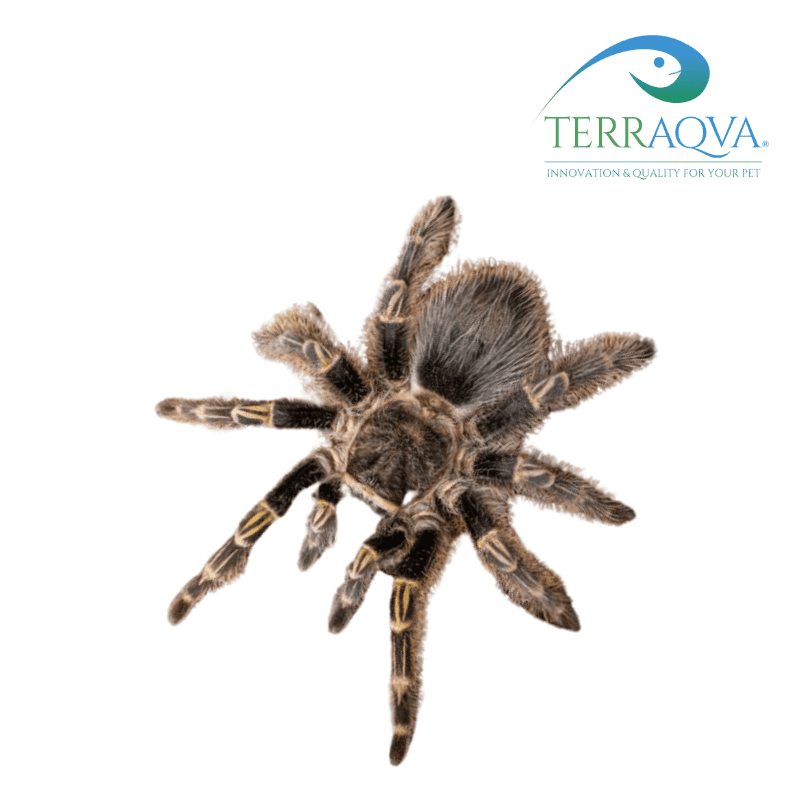
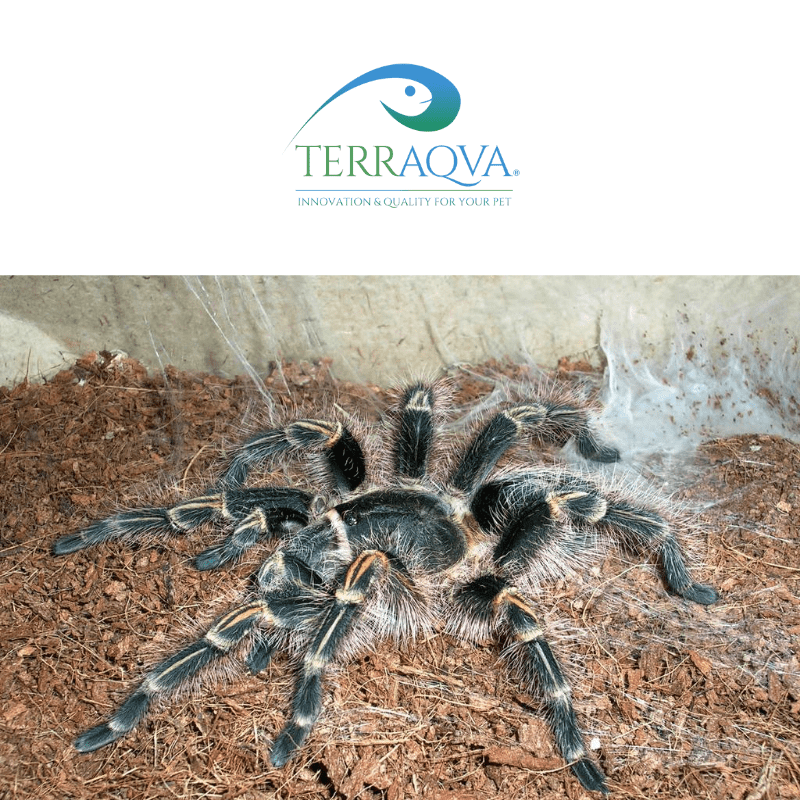
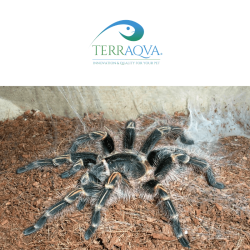
Grammostola pulchripes is a tarantula native to Paraguay, with a beautiful dark coloration and light bands. Very easy to care for, it doesn't require much effort from the breeder, being calm and medium-sized.
DIMENSIONS: Size M, 5-6 cm legspan included; it is kept on a size no larger than 18 cm as an adult.
SOURCE: Paraguay and Argentina
AMBIENTAMENT VALUES: temperature 24-29 degrees Celsius during the day, 20-22 degrees Celsius humidity 65-70% above all to increase the latter in the period of the wetsuit to about 80%.
ALIMENTATION: small insects for spiderling (prefer drosophile) and, from size M, meal bugs (grills, cockroaches, worms, locusts) of adequate size are fine. Medium size isopods, quite voracious. In particular crickets and locusts are indicated as highly protein.
TIP CONS: medium-sized terrarium or faunabox, 25x25x25; for spiderling it is very good to insert these in the classic specific containers until they reach an appropriate size and then be moved to a terrarium, always small. It is important to maintain
The substrate should be around 5 cm peat and/or vermiculitis, along with tropical plants, bowl with ever-present water or hydrogel and a natural or artificial shelter where it will burrow during the day or to consume prey. Daily spraying is required to keep the internal moisture constant.
ABITUDINI: arachnid purely earthy
AGGRESSIVITA: 1 – very docile, also suitable for newbies as it is subject to external stress to a much lesser extent than other types of tarantula.
GROWTH RAPIDIITY: Low, it's a very slow-growing grammostola compared to other varieties in the same family.
STATUS CITES: no
CLINICAL/TOXICOLOGICAL INFO: WCH UNIVERSITY ADELAIDE; AUSTRALIA
Specific References
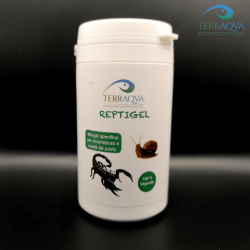
Granular Hydrogel 50g you get up to 10lt of water gel
Great for hydration of reptiles, amphibians, invertebrates, beetles
Indispensable for migals, scorpions and centipedes
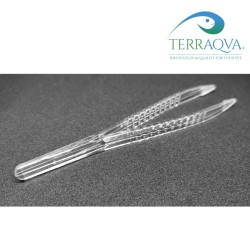
12.5 cm pliers made of rigid plastic, easy sanitizes
Ideal for administering live food or removal of residues
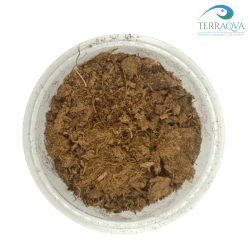
Pack 5 Litres
Acid ph and moist acids reduce odors and provide good moisture
Suitable for migals and scorpions but also reptiles and amphibians that need a soft and damp substrate
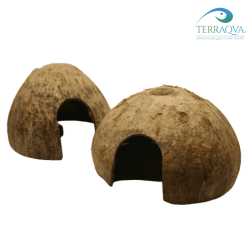
Coconut Den 100% natural and sterilized
Suitable for several reptiles, amphibians, invertebrates
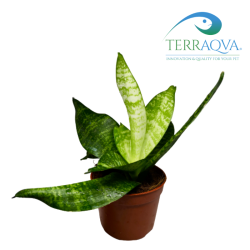
Vase d.6 cm; Height (excluding pot) 13 cm
Sansevieria, different varieties available
Great for deserted terraries with reptiles, amphibians or delicate invertebrates
It needs very little water, native to dry environment
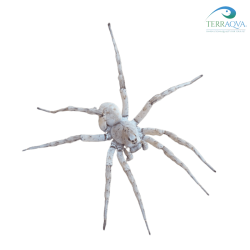
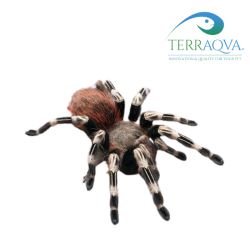
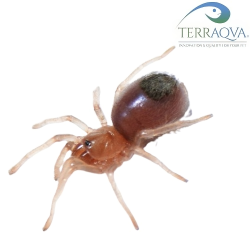
RARITY - Morph of a wolf spider, with a white color all over the body
Aggressiveness level 2 - Easy to manage, requires small and medium sized terrariums
Widespread in various areas of North America
Create a thick web inside the terrarium, quite voracious
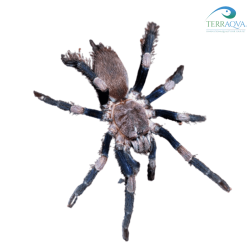
Aggression level 5 - moderately aggressive if particularly stressed
Mainly widespread in Benin, Ghana, Nigeria
Easy management even for the neophyte, requiring no special care
Petrified tarantula, reaches 16 cm in size and can live up to 20 years!
Aggressive level 4 - voracious but docile species
Size M - about 5-6 cm and high growth
Tropical Terricular
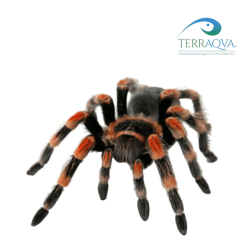
RARITA ' - It is not easily found on the market compared to others of the same family
Aggressive level 3 - low, suitable for newbies thanks to the quiet disposition
Widespread in various areas of Chile and Bolivia
Difficulty level 8 – very fast and voracious; not recommended for beginners due to its defensive and unpredictable temperament.
Rapid growth; accepts a wide variety of feeder insects in the terrarium.
Shy; requires a medium-sized terrarium.
Aggressive level 2 - low; suitable for novices
Deserticola/opportunist
Very low, long-lived and static growth
Cites B Certificate
Difficulty level 2 - extremely resilient and easy to care for
Terrestrial, South American tropical environment
Grows very quickly being very easy to feed
Aggressive level 5 - character rather nervous but not always aggressive
Widespread in Brazil and surrounding areas
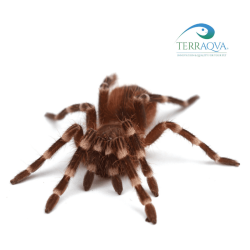
Rather voracious, it reaches a size of up to 17 cm
Aggressive level 2 - low; suitable for novices
Deserticola/opportunist
Very low, long-lived and static growth
Cites B Certificate
Aggression level 8 - for experienced terrariophiles
Size L - about 7-8 cm and medium growth
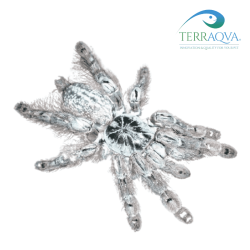
It comes from Ghana and Benin, highly appreciated for its colouring
Arboricola, requires tall and spacious terrari
RARITY - It has the characteristic central horn on the carapace
Aggressiveness level: 8 - suitable for the more experienced, given the speed and unpredictability together with their venom
Medium growth, up to 15 cm (including legspan)
Arboricola, present in various areas of Zimbabwe
Level aggression 7 - very aggressive, voracious and fast
Terricola, tropical South American environment
Grows very quickly and very easy to feed
Aggressive level 4 - docile temperament, variable between specimens of the same species
Widespread in Brazil
Tarantola dwarf ditch, also suitable for newbies
RARITY - not easily found on the market
Aggression level 8 - particularly defensive, similar to the Theraphosa genus
Distributed in Ecuador and Peru
Ground-dwelling tarantula, medium growth, up to 25 cm including legspan!