Italiano


Difficulty level 7 - very fast and defensive if stressed
Widespread in Trinidad and Tobago
Tarantula quite resistant even to relatively low temperatures

We accept payments quickly, easily, and securely.

Express Courier
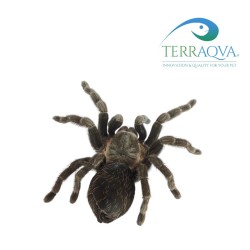
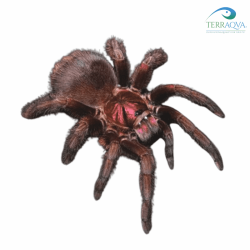
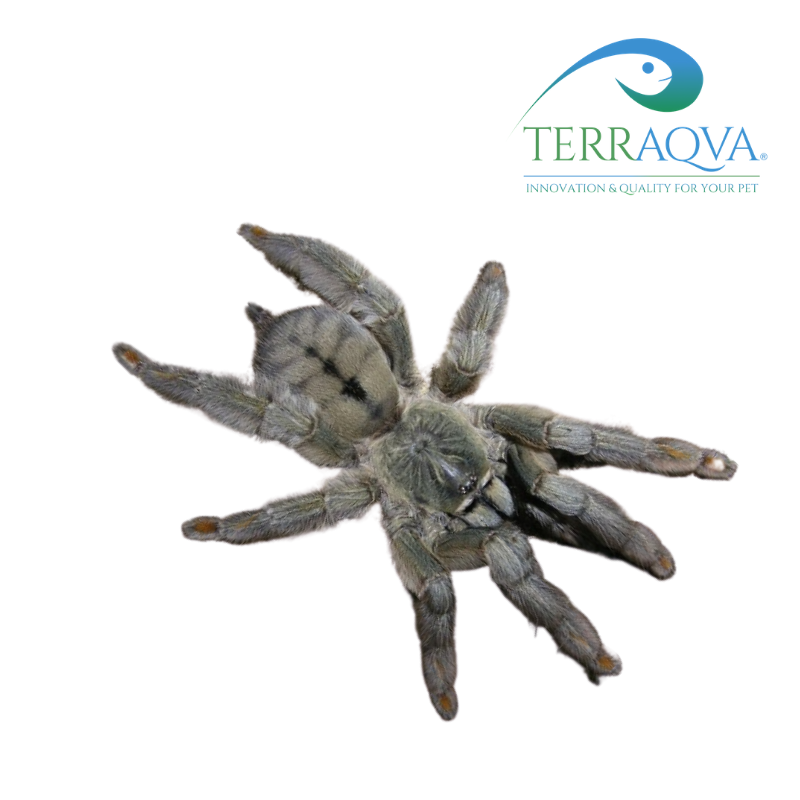
Psalmopoeus Cambridgei also known by the common name Trinidad Chevron Tarantula
SIZE: S - legspan 1/2 cm
SEX: not sexed
FOUND IN: Trinidad and Tobago
ENVIRONMENTAL VALUES: Temperature Between 24-25 degrees Celsius during the day and 22 to 23 degrees Celsius at night, humidity around 70-75%, with periodic spraying; can withstand relatively low temperatures (below 20 degrees Celsius)
DIET: Feeder insects suitable for the current size of the tarantula (crickets, cockroaches, larvae)
SETUP: Terrarium or faunabox 20x20x40, substrate of about 5/6 cm with peat and coconut fiber. A natural or artificial shelter to allow the spider to hide if necessary, given its shy nature. A bowl of water should always be available so the animal can drink when needed.
HABITS: arboreal arachnid, crepuscular predator
BEHAVIOR: extremely fast in movement, if necessary it will escape by climbing upwards
GROWTH RATE: fast being a rather voracious Tarantula
LIFESPAN: 10/12 years in captivity, they reach sexual maturity in 2/3 years
STATUS CITES: no
CLINICAL/TOXICOLOGICAL INFO: WCH UNIVERSITY ADELAIDE; AUSTRALIA
Specific References
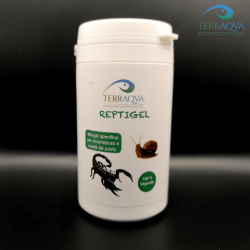
Granular Hydrogel 50g you get up to 10lt of water gel
Great for hydration of reptiles, amphibians, invertebrates, beetles
Indispensable for migals, scorpions and centipedes
12.5 cm pliers made of rigid plastic, easy sanitizes
Ideal for administering live food or removal of residues
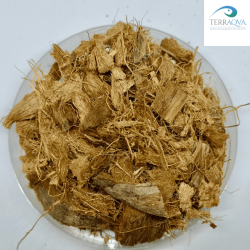
Coconut Fiber CHIPS - Brick - 500 g
100% natural and sterilized
Pack 1 kg/13-15lt yield
Difficulty level 3 - low; suitable for beginners
Terrestrial/Opportunistic
Slow growing and easy to care for
Cites B Certificate
Size L Female
RARITY - Very rare on the European market, incredibly beautiful!
Aggression Level 9 - Particularly aggressive, suitable for experts
Frequently found in Mozambique, in the desert savannah areas
Terrestrial tarantula, medium growth and size
maintenance difficulty 2 - suitable for newbies
Opportunistic Tarantula, it is mainly found in Mexico and arid plains
fast growing and extremely voracious at any size
Level aggression 8 - suitable for experienced terrariophiles, quite aggressive
Opportunist, Tropical South American Environment
High and fast growth in movement
RARITY - Tarantula suitable for both beginners and experts
Aggression level 5 - voracious species, with a slightly nervous character;
Medium growth, it can live up to 10 years and has a medium / small size
Endemic species of the Dominican Republic
Aggression Level 2 - low; suitable for beginners and non-aggressive
Terrestrial/opportunistic, tropical habitat
Fast-growing and easy to care for
CITES B certified
One of the most beautiful tarantulas in the Caribbean
Aggression level 5 - aggressive and nervous temperament
Particularly widespread in the Caribbean
Terricolous and medium sized tarantula when adult (18/22 cm)
Aggressive level 6 - voracious and a little nervous species
Size L - about 5/6 cm and high growth
Tropical Terricular
Breeding difficulty: DIFFICULT
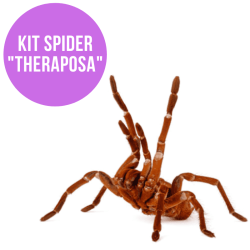
Complete BIOACTIVE kit for the breeding of a giant tarantula of the genus Theraphosa
Live food set and heating mat included with various tarantula pairings, including goliath tarantula!
GIFT CARD free to spend on your next purchase!
Difficulty level 1 - suitable for beginners and very docile
Terrestrial Tarantula, typically found in south Brazil
Medium growth and fairly long-lived
Rarity, locality from NICARAGUA
RARITY - Discovered in 2022, it is still unknown
Aggressiveness level 5 - of medium management and nervous character
Particularly widespread in Thailand
Arboreal tarantula that loves to take refuge inside the bamboos
RARITY - Locality from Nicaragua
Aggression Level 4 - medium/high; suitable for beginners
Terrestrial/opportunistic, tropical habitat
Fast growth and easy breeding
Aggressive level 4 - voracious but docile species
Size M - about 5-6 cm and high growth
Tropical Terricular
Aggressive level 7 - aggressive and unpredictable character
Widespread mainly in Cameroon
Tarantola ditch, suitable for the most experienced
Difficulty level 2 - resistant and easy to keep species
Terrestrial, it needs a tropical environment
Easy to care for
Cites B Certificate