Italiano


- Out-of-Stock
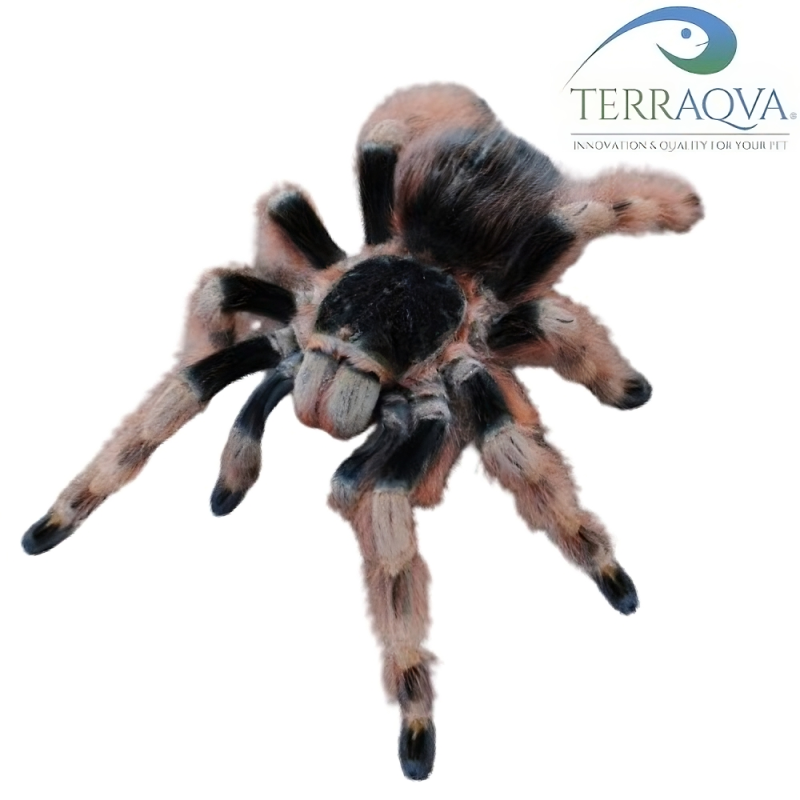
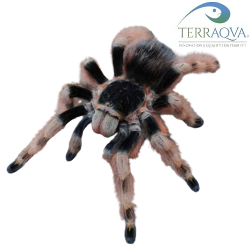
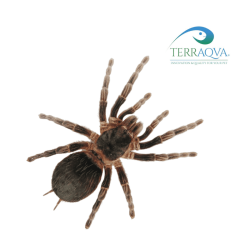
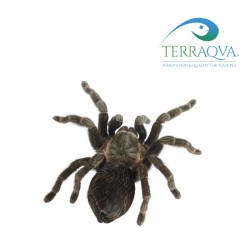
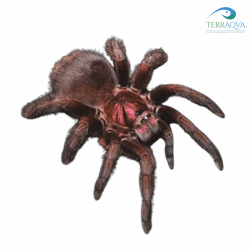
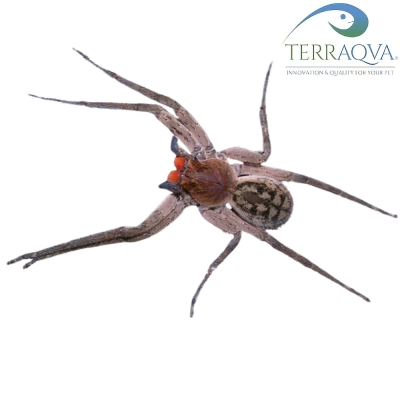
Aggressive level 6 - voracious and a little nervous species
Size L - about 5/6 cm and high growth
Tropical Terricular

We accept payments quickly, easily, and securely.

Express Courier
DIMENSIONS: Size L - 6/7 cm about body, legspan included
ORIGINE: Brazil
AMBIENTMENT VALUES: Temperature 26-28 degrees Celsius during the day 22-24 degrees Celsius night Humidity 75%
ALIMENTATION: Small-sized insects (grills, cockroaches, worms) small size isopods and should be regularly fed on a varied diet
TIP SET UP: Terrarium or faunabox 40x30x30, substrate of about 5-7 cm with peat, along with cork corteccie, hydrogel for hydration of migal
ABITUDINI: soil/opportunistic
AGGRESSIVITA: 6 – average, they are not particularly aggressive towards the terrariophile but still have a somewhat nervous character
GROWTH RAPIDIITY: medium-high as it's quite voracious
STATUS CITES: no
CLINICAL/TOXICOLOGICAL INFO: WCH UNIVERSITY ADELAIDE; AUSTRALIA
Specific References
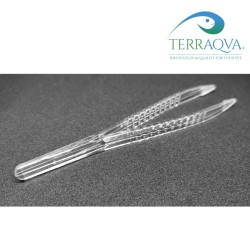
12.5 cm pliers made of rigid plastic, easy sanitizes
Ideal for administering live food or removal of residues
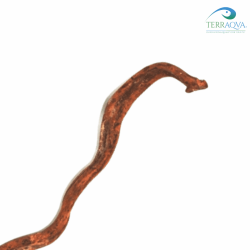
Tropical liana made of wood, 100% natural and suitable for terrascaping
Spiral shape, for all animals that need footholds
Suitable for saurians, amphibians and arboreal invertebrates
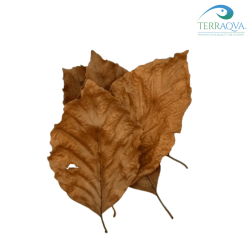
Beech (Fagus sp.)
Practical 1-litre and sterilized steam pack
Ideal for enriching terraries for invertebrates, reptiles and amphibians
Natural food source for centipedes, snails and ornamental insects
Suitable for breeding isopods and enriching terrariums for tropical anuri
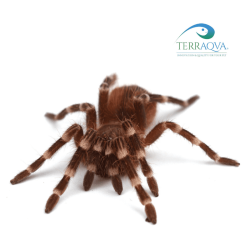
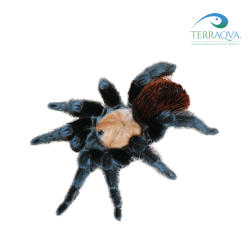
Difficulty level 3 - voracious and easy to care for
Medium growth rate, native to the forests of Brazil
Terrestrial, among the most resistant, it reaches large size
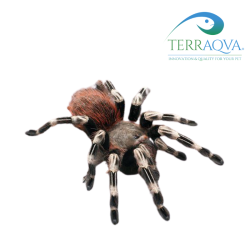
Difficulty level 3 - low; suitable for beginners
Terrestrial/Opportunistic
Slow growing and easy to care for
Cites B Certificate
Difficulty level 2 - extremely resilient and easy to care for
Terrestrial, South American tropical environment
Grows very quickly being very easy to feed
Aggressive level 3 - medium/low; suitable for newbies
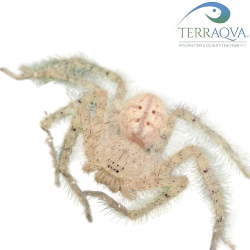
Semi-arboreal species
Fast and easy-to-farm growth
Aggressive level 5 - medium and moderately aggressive
Widespread in Brazil and surrounding areas
Constant humidity control need
One of the most beautiful tarantulas in the Caribbean
Aggression level 5 - aggressive and nervous temperament
Particularly widespread in the Caribbean
Terricolous and medium sized tarantula when adult (18/22 cm)
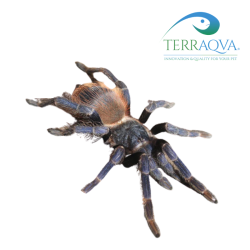
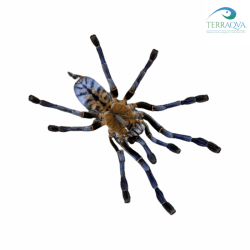
Beautiful tropical tarantula of the genus Phormingochilus, recently discovered
Aggressiveness level 5 - medium management, with a nervous temperament
Widespread in Indonesia
Arboreal, it loves to rest on the branches of trees
Aggressive level 5 - character rather nervous but not always aggressive
Widespread in Brazil and surrounding areas
Rather voracious, it reaches a size of up to 17 cm
Aggressiveness level 3 - rather calm temperament
Found in Panama and Costa Rica
Can reach sizes of 12-15 cm
RARITY - requested and sought after by fans of the sector
Aggressiveness level 7 - Nervous character but still easy to manage
Widespread in Mozambique, South Africa and Kenya
A medium sized adult tarantula that produces many webs in a terrarium
Aggressive level 2 - suitable for newbies and very docile
Terrestrial, typically found in south Brazil
Average and fairly long-lived growth
SIZE M FEMALE, EXTREMELY RARE IN THE HOBBY
RARITY - not easily found on the market
Aggression level 8 - particularly defensive, similar to the Theraphosa genus
Distributed in Ecuador and Peru
Ground-dwelling tarantula, medium growth, up to 25 cm including legspan!
Aggressive level 1 - very docile suitable for neophyte
Size S/M - about 0.5 to 2,2 cm and high growth
With vibrant colors and a calm temperament: perfect for beginners!
Level aggression 8 - suitable for experienced terrariophiles, quite aggressive
Opportunist, Tropical South American Environment
High and fast growth in movement
Difficulty level 8 – very fast and voracious; not recommended for beginners due to its defensive and unpredictable temperament.
Rapid growth; accepts a wide variety of feeder insects in the terrarium.
Shy; requires a medium-sized terrarium.