Italiano


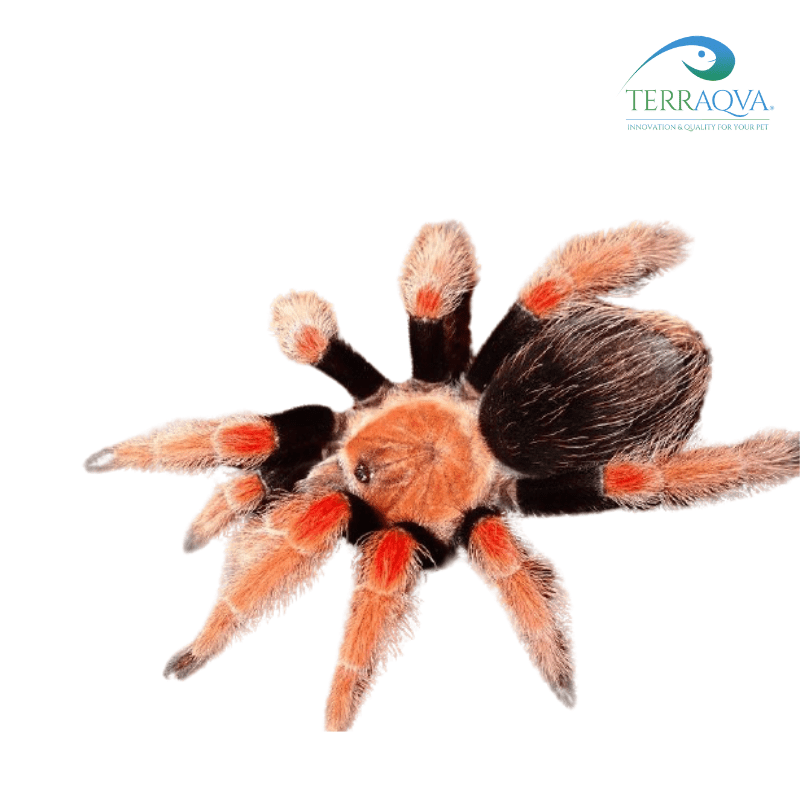
maintenance difficulty 2 - suitable for newbies
Opportunistic Tarantula, it is mainly found in Mexico and arid plains
fast growing and extremely voracious at any size

We accept payments quickly, easily, and securely.

Express Courier
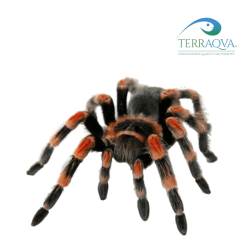
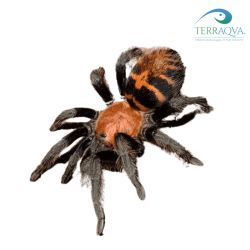
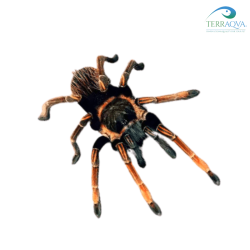
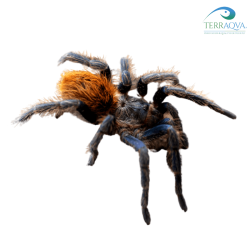
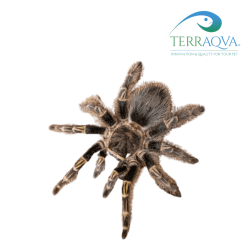
Brachypelma Boehmei also known as the Mexican Fire-Legged Tarantula
DIMENSIONS: Size M 5/6 cm.
NATIVE OF: Mexico and arid plains
ENVIRONMENTAL VALUES: temperature 28-30 degrees Celsius during the day, 24-26 degrees Celsius, 60-65% overnight humidity, affected by any major thermal excursions
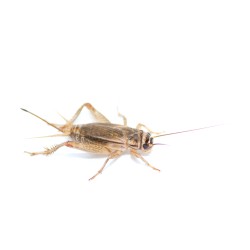
FEEDING: feeder insects (crickets, cockroaches, worms, locusts) medium size isopods
SETUP: Terrarium or faunabox 30x30x25, substrate 5 cm peat, along with tropical plants, bowl with water always present and a natural or artificial shelter
HABITS: terrestrial Tarantula/opportunistic
AGGRESSIVENESS: 4 – medium, very voracious and quiet, if stressed throws stinging hair
GROWTH RAPIDITY: High, given the voracity being among the easiest to feed Tarantulas in the hobby
STATUS CITES: CITES B
Specific References
Suitable for all reptiles, amphibians, invertebrates
High concentration of protein; very little chitin
Fine sand for arid or deserted terraries
100% natural, sterilized, in 5 kg packs
Great for reptiles, amphibians and dark invertebrates or very arid environments
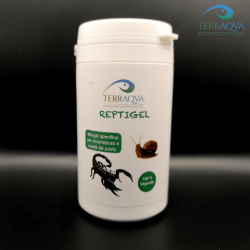
Granular Hydrogel 50g you get up to 10lt of water gel
Great for hydration of reptiles, amphibians, invertebrates, beetles
Indispensable for migals, scorpions and centipedes
12.5 cm pliers made of rigid plastic, easy sanitizes
Ideal for administering live food or removal of residues
Difficulty level 2 - low; suitable for beginners
opportunistic spider that thrive in drier environments
Long-lived Tarantula
CITES B CERTIFICATE
Difficulty level 5 – temperament can be skittish at times, but not difficult to care for
Found in Venezuela
A species capable of "sculpting" the terrarium, making extensive use of its thick webbing
Aggressiveness level 5 - moderately aggressive and very fast, with small dimensions
Slow growth, keeps small even as an adult
Terricolous with burrowing and nocturnal habits
RARITY - requested and sought after, as well as being a recently appeared tarantula on the market
Aggressiveness level 7 - Nervous and rather aggressive character
Widespread in Panama and other areas of Central America
It is one of the largest tarantulas in all of Central America
Aggressive level 2 - quite low
Widespread in the US and Australia
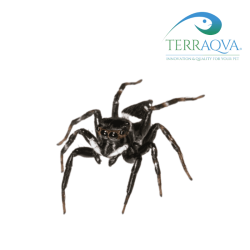
Arboreal spider with features similar to other jumpicides (e.g. phidippus)
Easy breeding in rather small terraces
Aggressive level 2 - low, particularly harmless to humans
Widespread along the Mediterranean coast
Easy breeding,no need for humidity and high temperatures
One of the most beautiful tarantulas ever !!
Aggressiveness level 2 - of docile temperament, however it requires a well structured terrarium
Particularly widespread in Brazil, in the Atlantic rainforest area
Arboreal tarantula that loves to create hatches inside the branches
RARITA ' - is one of the most sought after and expensive varieties in the industry
Level aggression 5 - rather nervous and defensive with the classic posture
Widespread South Africa
Tarantola ditch, needs special care and not suitable for newbies
Aggressive level 4 - docile temperament, variable between specimens of the same species
Widespread in Brazil
Tarantola dwarf ditch, also suitable for newbies
Aggressive level 8 - very fast and very aggressive if threatened
Widespread in India
Arboricola, requires a tropical terrarium developed in height
It has a stronger venom than other tarantulas, suitable for experts
Difficulty level 5 – temperament can be skittish at times, but not difficult to care for
Found in Venezuela
A species capable of "sculpting" the terrarium, making extensive use of its thick webbing
Difficulty level 8 - extremely fast, recommended for experienced keepers
It comes from Ghana and Benin, highly appreciated for its colours
Arboreal, requires a tall enclosure with good airflow
Aggressiveness level: 8 - Suitable for experienced terrarium keepers, quite aggressive.
Behavior: Opportunistic, fast-growing, and rapid in movement.
Habitat: Tropical environment, South America.
RARITA ' - It is not easily found on the market compared to others of the same family
Aggressive level 1 - low, very suitable for newbies or for those approaching the world of migals
Widespread in Paraguay and Argentina
Tarantola land, needs hiding/shelter
Difficulty level 2 - resistant and easy to keep species
Terrestrial, it needs a tropical environment
Easy to care for
Cites B Certificate