Italiano


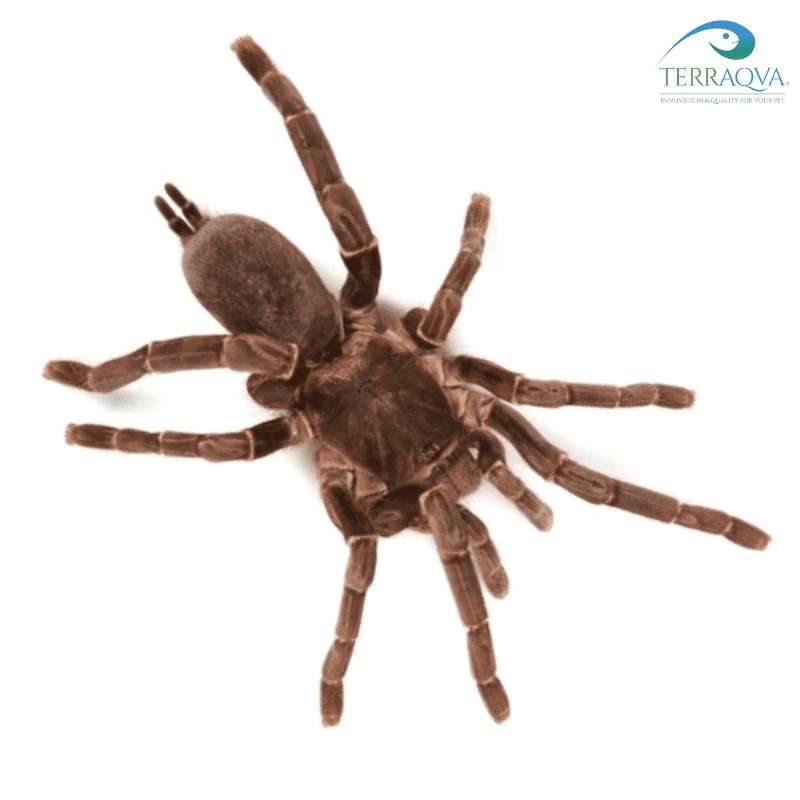
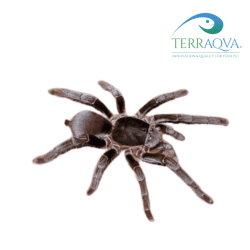
Aggressive level 7 - aggressive and unpredictable character
Widespread mainly in Cameroon
Tarantola ditch, suitable for the most experienced

We accept payments quickly, easily, and securely.

Express Courier
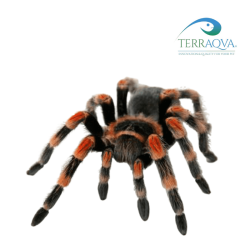
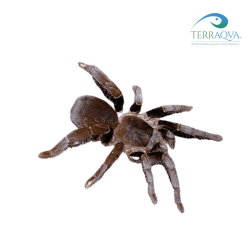
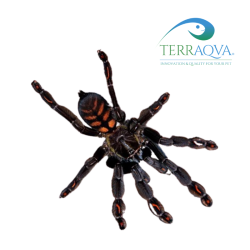
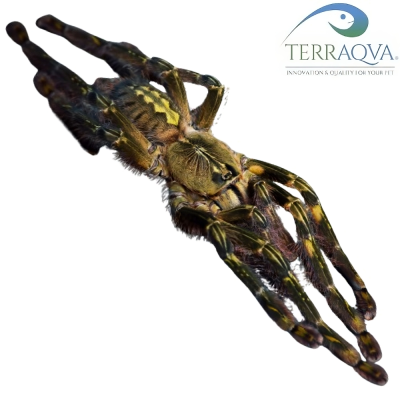
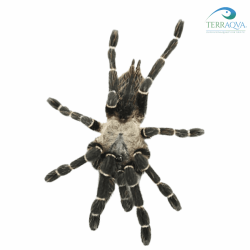
Hysterocrates gigas or giant baboon spider is a tropical fossorial tarantula from Cameroon, with an aggressive nature and suitable for more experienced users; it feeds on meal insects and requires medium temperature and humidity.
SOURCE: Cameroon
AMBIENTAMENT VALUES: temperature 25-28 degrees Celsius during the day, 20-23 degrees Celsius night humidity 75-80%
ALIMENTATION: small insects for spiderling (prefer drosophile) and, from size M, meal bugs (grills, cockroaches, worms, locusts) of adequate size are fine. Medium size isopods, quite voracious. In particular crickets and locusts are indicated as highly protein.
TIP CONS: medium-sized terrarium or faunabox, 30x30x30; for spiderling it is very good to insert these in the classic specific containers until they reach an appropriate size and then be moved to a terrarium, always small.
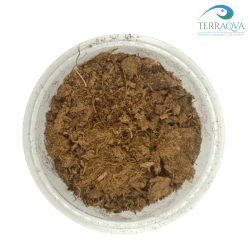
The substrate should be at least 10 cm peat and/or vermiculitis high, along with tropical plants, bowl with ever-present water or hydrogel and a natural or artificial shelter where it will burrow during the day or to consume prey. Very light daily spraying is required, as the substrate must still be dry but not excessively.
ABITUDINI: arachnid purely ditching
AGGRESSIVITA: 7 – aggressive and unpredictable characterally; not suitable for newbies
GROWTH RAPIDIITY: average, compared to other varieties
STATUS CITES: no
CLINICAL/TOXICOLOGICAL INFO: WCH UNIVERSITY ADELAIDE; AUSTRALIA
Specific References
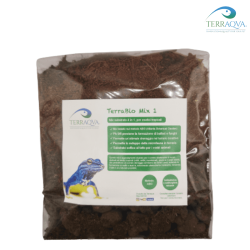
Pack 5 Litres
Acid ph and moist acids reduce odors and provide good moisture
Suitable for migals and scorpions but also reptiles and amphibians that need a soft and damp substrate
Aggressive level 2 - low; suitable for novices
Deserticola/opportunist
Very low, long-lived and static growth
Cites B Certificate
Mix of substrates and natural micro / macro elements, with grafts of bioactive crops
Used for creating an optimal substrate for tropical and substropical bioactive terrariums
Contains natural elements and spores, favoring the rapid maturation of the bioactive terrarium
Aggression level 5 - moderately aggressive if particularly stressed
Mainly widespread in Benin, Ghana, Nigeria
Easy management even for the neophyte, requiring no special care
Petrified tarantula, reaches 16 cm in size and can live up to 20 years!
Beautiful tropical tarantula of the genus Phormingochilus, recently discovered
Aggressiveness level 5 - medium management, with a nervous temperament
Widespread in Indonesia
Arboreal, it loves to rest on the branches of trees
Aggression level 8 - for experienced terrariophiles
Size L - about 7-8 cm and medium growth
It comes from Ghana and Benin, highly appreciated for its colouring
Arboricola, requires tall and spacious terrari
RARITA ' - suitable for the most experienced for disposition and terrarium management
Aggressive level 5 - medium aggressive and very fast in movements
Arboricola, typical of Venezuela's forests
Needs a terrarium developed in height and well-aired
Difficulty level 3 - voracious and easy to care for
Medium growth rate, native to the forests of Brazil
Terrestrial, among the most resistant, it reaches large size
RARITY - requested and sought after by fans of the sector
Aggressiveness level 7 - Nervous character but still easy to manage
Widespread in Mozambique, South Africa and Kenya
A medium sized adult tarantula that spawns many webs in a terrarium
Aggressive level 8 - very fast and very aggressive if threatened
Widespread in India
Arboricola, requires a tropical terrarium developed in height
It has a stronger venom than other tarantulas, suitable for experts
Aggressiveness level 3 - rather calm temperament
Found in Panama and Costa Rica
Can reach sizes of 12-15 cm
Difficulty level 5 – temperament can be skittish at times, but not difficult to care for
Found in Venezuela
A species capable of "sculpting" the terrarium, making extensive use of its thick webbing
Aggressive level 4 - medium/high; suitable for newbies
Terricola/opportunist, tropical environment
Fast and easy-to-farm growth
Cites B Certificate
RARITY - Discovered in 2022, it is still unknown
Aggressiveness level 5 - of medium management and nervous character
Particularly widespread in Thailand
Arboreal tarantula that loves to take refuge inside the bamboos
Difficulty Level 2 - perfect choice for beginners
Opportunistic Tarantula that thrive in drier environments
Voracious and slow growing species
RARITA ' - one of the most beautiful and valuable tarantulas in the industry
Aggressive level 2 - uncisive and very sociable
Widespread in Africa, particular Island of Socotra
Rather voracious, it feeds quietly with a varied diet based on meal insects;
RARITA - for newbies and experts
Aggression level 3 - docile but sometimes nervous and quite quick
Arboricola, typical of Martinique and the Amazon rainforest
Needs a height-developed, well-ventilated terrarium
Needed humidity around 80%