Italiano


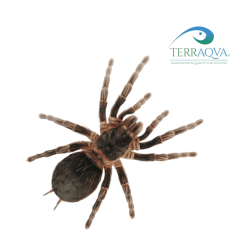
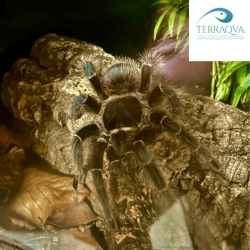
Difficulty level 3 - voracious and easy to care for
Medium growth rate, native to the forests of Brazil
Terrestrial, among the most resistant, it reaches large size

We accept payments quickly, easily, and securely.

Express Courier
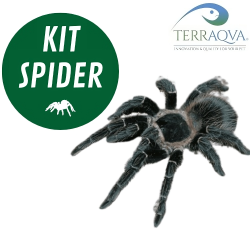
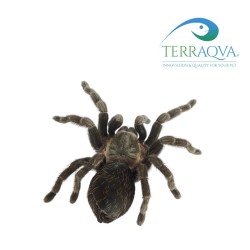
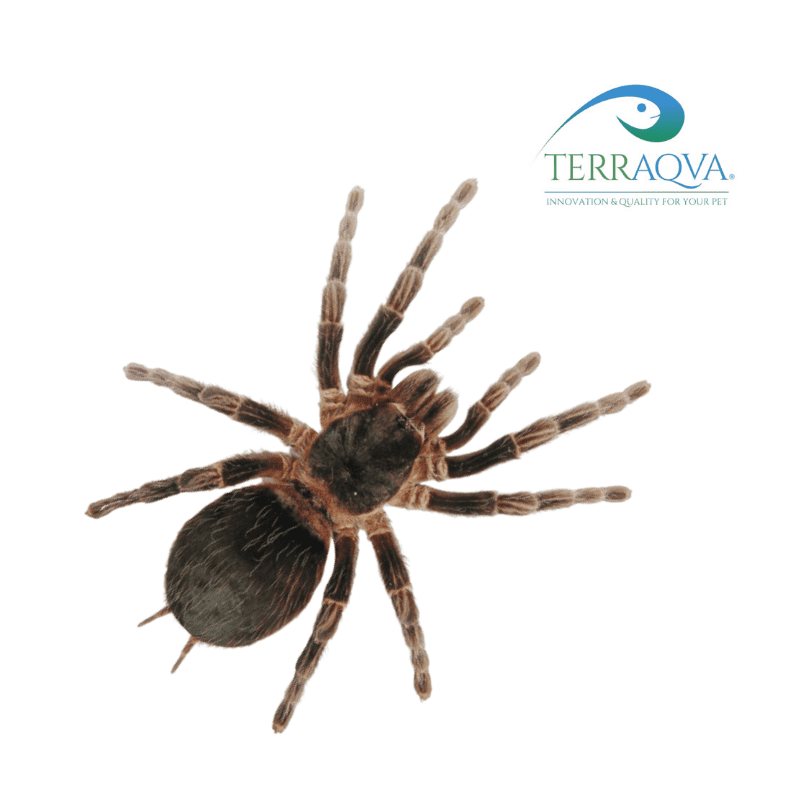
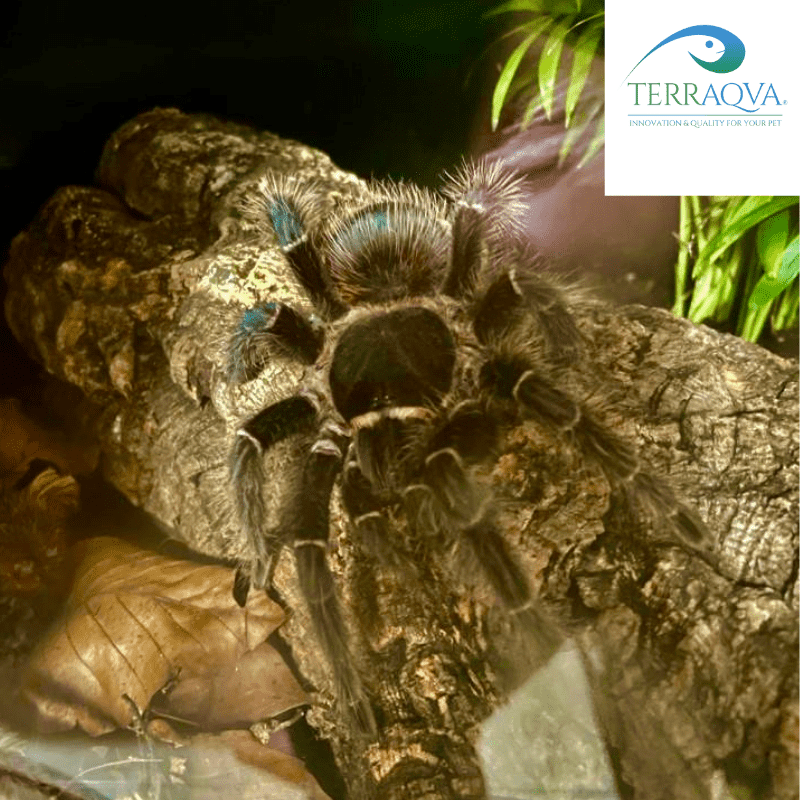
Lasiodora parahybana, also known by the common name of Brazilian Pink Salmon, is an easy-to-keep tarantula that reaches large sizes, is particularly voracious and is native to the forests of Brazil.
SIZE: S - 2,5 cm; reaches about 20/25cm of Legspan
NATIVE TO: Brazil
ENVIRONMENTAL VALUES: Temperature 25°/28° daytime 20°/22° night, Humidity 75-80%
DIET: Small size insects (crickets, cockroaches, worms) must be fed at least a bug a week
SETUP: Terrarium or faunabox 40x30x30, substrate of about 5-7 cm with peat and coconut fiber, together with cork bark to provide shelter, water bowl must be always available
HABITS: terrestrial /opportunistic, nocturnal habit. Among the largest Theraphosids, easy to keep and extremely resilient
BEHAVIOR: rather calm towards keeper
GROWTH RATE: medium, as it is a rather voracious species
LIFESPAN: about 15 to 20 years in captivity
STATUS CITES: no
CLINICAL / TOXICOLOGICAL INFO: WCH ADELAIDE UNIVERSITY; AUSTRALIA
Specific References
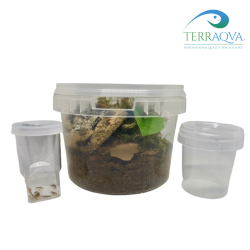
Complete BIOACTIVE kit for the breeding of a tarantula, of medium management and medium size
Ability to choose various types of tarantulas, tropical or desert environments
Live food set, heating mat, included in each kit (even single)
You can also combine the Skylight LED lighting system in the kit **
565ml full kit for Spiderling or Scorpling
Removable cover, with sterile air and air filter!
Live food dose for sling
RARITA ' - suitable for the most experienced for disposition and terrarium management
Aggressive level 5 - medium aggressive and very fast in movements
Arboricola, typical of Venezuela's forests
Needs a terrarium developed in height and well-aired
RARITY
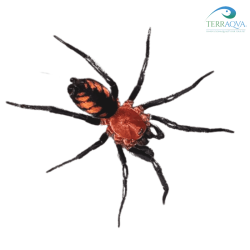
Aggressive level 2 - low, harmless to humans
Widespread in Southern Europe
dry setup
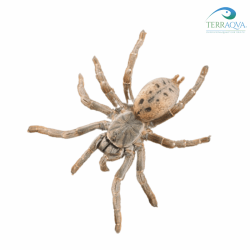
VERY RARE, recently on the market and highly sought after for its silver colors
Aggression level 5 - moderately aggressive if particularly stressed
Widespread mainly in Vietnam, where it was recently discovered
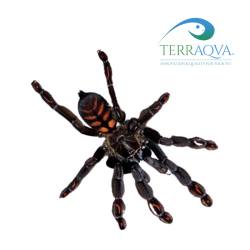
It has a silver colored body and orange legs
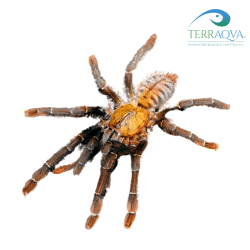
Rare variety of Pterinochilus, on the market for a short time
Aggression level 5 - moderately aggressive if particularly stressed
Widespread mainly in Zimbabwe, Namibia
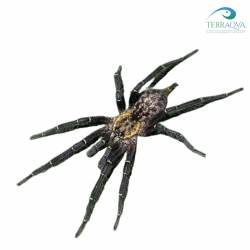
It has a gray body with a dotted abdomen
Difficulty level 3 - low; suitable for beginners
Terrestrial/Opportunistic
Slow growing and easy to care for
Cites B Certificate
RARITY - Much requested and sought after by fans of the sector
Aggressiveness level 4 - Suitable for beginners, easy to manage
Widespread in various areas of tropical Bolivia
Small tarantula, which builds a lot of webs
Aggressive level 4 - docile temperament, variable between specimens of the same species
Widespread in Brazil
Tarantola dwarf ditch, also suitable for newbies
Difficulty level 3 - low; suitable for beginners
Terrestrial/Opportunistic
Slow growing and easy to care for
Cites B Certificate
Size L Female
Aggression level 2 - docile but very fast and unpredictable
Size s - about 2 and medium growth
Terricola with digger habits
Aggressiveness level 2 - unpredictable, fast but docile and suitable for beginners
Widespread in various of Trinidad and Venezuela
Terricola fossoria, with medium growth and small size when adult
RARITY - requested and sought after, as well as being a recently appeared tarantula on the market
Aggressiveness level 7 - Nervous and rather aggressive character
Widespread in Panama and other areas of Central America
It is one of the largest tarantulas in all of Central America
RARITY - Very rare on the European market, with great beauty!
Aggressiveness level 9 - suitable for experts
Widespread in a restricted area from Panama to Venezuela
Terrestrial tarantula, medium growth and size