Italiano


- Out-of-Stock

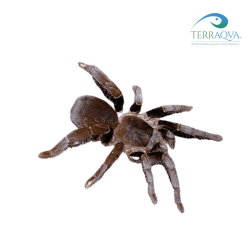
Aggression level 5 - moderately aggressive if particularly stressed
Mainly widespread in Benin, Ghana, Nigeria
Easy management even for the neophyte, requiring no special care
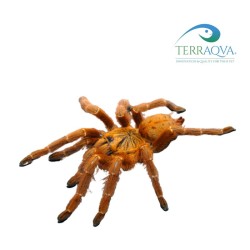
Petrified tarantula, reaches 16 cm in size and can live up to 20 years!

We accept payments quickly, easily, and securely.

Express Courier
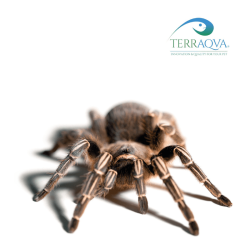
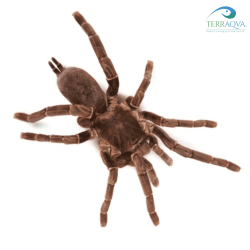
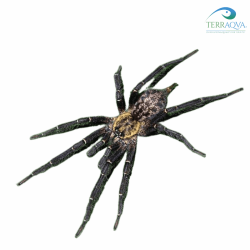
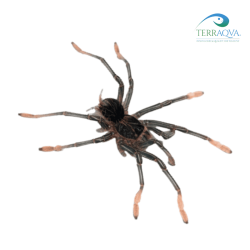
Hysterocrates hercules is a tarantula present in Ghana and Nigeria, easy to manage, can live up to 20 years and reaches about 16 cm in size. It is a petrified tarantula and requires a rather high substrate
SIZE: M-3 / 4cm; excluding legspan approx; it keeps on dimensions not exceeding 16 cm when adult.
ORIGIN: Nigeria, Ghana, Benin
AMBIENT VALUES: temperature 25 ° -29 ° C daytime, 20-23 ° C nighttime humidity 75-80%
FEEDING: small insects for spiderlings (they prefer drosophile) and, from size M, meal insects (crickets, cockroaches, worms, locusts) of adequate size are good. Medium sized isopods, quite voracious. In particular, crickets and locusts are indicated as they are highly protein. Requires weekly calcium supplements (in water or through the food offered), to encourage the formation of its exoskeleton during the moulting process
RECOMMENDED EQUIPMENT: medium-sized terrarium or faunabox, 30x30x30; for spiderlings it is perfectly fine to insert them in the classic specific containers until they reach an adequate size to be then moved to a terrarium, always of small dimensions.
The substrate should be at least 10-15 cm high peat and / or vermiculite, together with tropical plants, a bowl with water or hydrogel always present and a natural or artificial refuge where it will burrow during the day or to consume prey. Very light daily sprays or every 2 days are necessary, as the substrate must still be dry but not excessively, creating different humidity areas
HABITS: purely fossor arachnid
AGGRESSIVITY: 5 - moderately aggressive if stressed therefore, recommended for beginners already more advanced in the management of tarantulas
RAPID GROWTH: average, compared to other varieties, with a life expectancy of about 20 years
STATUS CITES: no
CLINICAL / TOXICOLOGICAL INFO: WCH ADELAIDE UNIVERSITY; AUSTRALIA
Specific References
Level aggressiveness 2 - suitable for novice newbies
Night Terricola, Tropical South American Environment
Very slow growth
Aggressive level 7 - aggressive and unpredictable character
Widespread mainly in Cameroon
Tarantola ditch, suitable for the most experienced
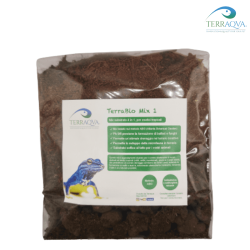
Mix of substrates and natural micro / macro elements, with grafts of bioactive crops
Used for creating an optimal substrate for tropical and substropical bioactive terrariums
Contains natural elements and spores, favoring the rapid maturation of the bioactive terrarium
Complete BIOACTIVE kit for the breeding of a tarantula, of medium management and medium size
Ability to choose various types of tarantulas, tropical or desert environments
Live food set, heating mat, included in each kit (even single)
You can also combine the Skylight LED lighting system in the kit **
Aggressiveness level 3 - rather calm temperament
Found in Panama and Costa Rica
Can reach sizes of 12-15 cm
RARITY - It has the characteristic central horn on the carapace
Medium growth, up to 15 cm (including legspan)
Fossorial Tarantula, widespread in various areas of Zimbabwe
Level aggression 7 - very aggressive, voracious and fast
Terricola, tropical South American environment
Grows very quickly and very easy to feed
Aggression Level 2 - low; suitable for beginners and non-aggressive
Terrestrial/opportunistic, tropical habitat
Fast-growing and easy to care for
CITES B certified
Difficulty level 3 - low; suitable for beginners
Terrestrial/Opportunistic
Slow growing and easy to care for
Cites B Certificate
Difficulty level 2 - low; suitable for beginners
opportunistic spider that thrive in drier environments
Long-lived Tarantula
CITES B CERTIFICATE
Aggressiveness level: 8 - Suitable for experienced terrarium keepers, quite aggressive.
Behavior: Opportunistic, fast-growing, and rapid in movement.
Habitat: Tropical environment, South America.
Difficulty level 8 – very fast and voracious; not recommended for beginners due to its defensive and unpredictable temperament.
Rapid growth; accepts a wide variety of feeder insects in the terrarium.
Shy; requires a medium-sized terrarium.
RARITY - Locality from Nicaragua
Aggression Level 4 - medium/high; suitable for beginners
Terrestrial/opportunistic, tropical habitat
Fast growth and easy breeding
Aggressiveness level 5 - medium / high; very fast and nervous, not suitable for beginners
Particularly widespread in India
Create beautiful tunnels and cobwebs inside the terrarium
Rather voracious, fossoria
RARITA ' - It is not easily found on the market compared to others of the same family
Aggressive level 1 - low, very suitable for newbies or for those approaching the world of migals
Widespread in Paraguay and Argentina
Tarantola land, needs hiding/shelter
Aggressiveness level: 8 - Suitable for experienced terrarium keepers, quite aggressive.
Behavior: Opportunistic, fast-growing, and rapid in movement.
Habitat: Tropical environment, South America.
Aggressive level 5 - character rather nervous but not always aggressive
Widespread in Cuba
Rather voracious, it reaches a size of up to 17 cm