Italiano


- Out-of-Stock
EXTREMELY RARE - Not easily found on the market due to breeding difficulties.
Aggression Level 9 - Particularly fast and defensive, especially when threatened.
Distributed throughout Southeast Asia.
Ground-dwelling/fossorial tarantula, suitable only for experienced and knowledgeable terrarium keepers.

We accept payments quickly, easily, and securely.

Express Courier
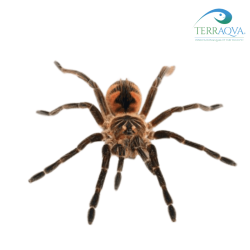
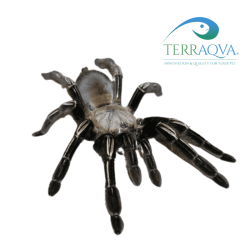
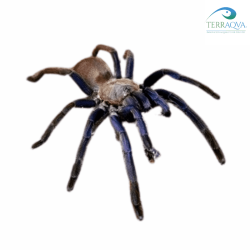
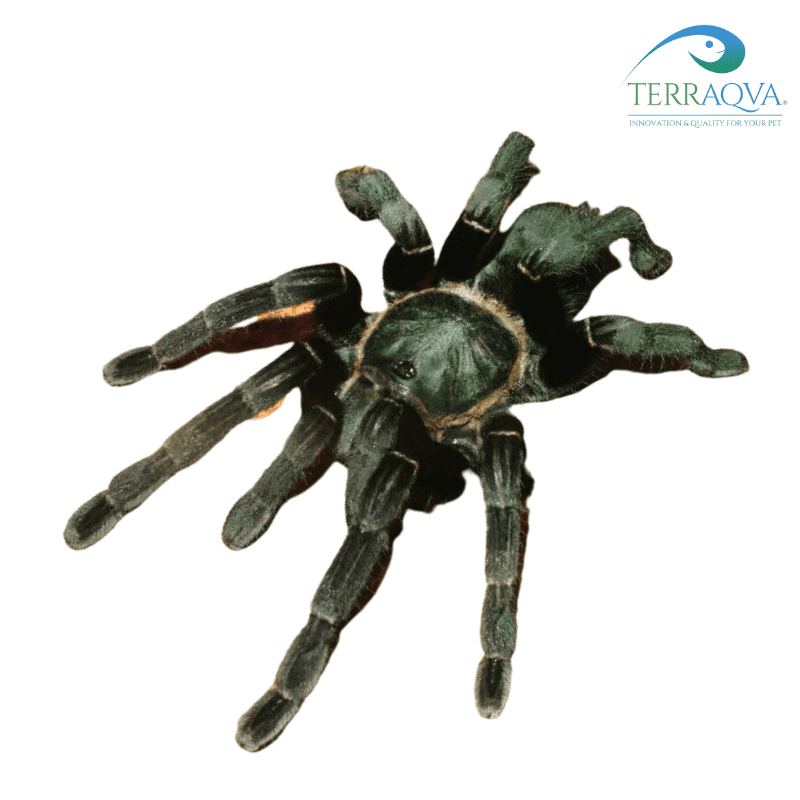
The Cyriopagopus minax (formerly Haplopelma minax) is a very defensive and fast tarantula, suitable for experienced terrarium keepers. Therefore, it is not recommended for those new to the world of arachnids or as a first-time tarantula.
DIMENSIONS: Size L, it remains no larger than 8 cm when adult (excluding legspan).
ORIGIN: Southeast Asia
ENVIRONMENTAL VALUES: Temperature 25°-27°C during the day, 20-22°C at night, humidity 80-90%, especially during the molting period, increasing the humidity to around 80%.
DIET: Small insects for spiderlings (they prefer fruit flies), and from size M, appropriately sized feeding insects (crickets, cockroaches, worms, locusts) are fine. Crickets in particular are recommended as they are high in protein.
RECOMMENDED SETUP: A medium-sized terrarium or fauna box, 30x30x30/45 cm. Spiderlings can be kept in standard containers until they reach an appropriate size, then moved to a small terrarium.
The substrate should be at least 10 cm deep, made of peat moss and/or vermiculite, along with tropical plants, a bowl of water or hydrogel, and a natural or artificial shelter where they can hide during the day or consume their prey. Daily misting is necessary to maintain constant humidity.
HABITS: Typically terrestrial/fossorial arachnid
AGGRESSIVENESS: 9 – Not suitable for beginners, as it is rather unpredictable and defensive
GROWTH RATE: Fast, grows relatively quickly and reaches maturity around 2-3 years (females); males even earlier
CITES STATUS: No
Specific References
Aggressive level 8 - very fast and very aggressive if threatened
Size S - about 2,5 cm and very fast growth
Arboricola, requires a tropical terrarium
RARITY - Much requested and sought after by fans of the sector
Aggressiveness level 4 - Suitable for beginners, easy to manage
Widespread in various areas of tropical Bolivia
Small tarantula, which builds a lot of webs
Level aggression 7 - very aggressive, voracious and fast
Terricola, tropical South American environment
Grows very quickly and very easy to feed
RARITY - Endemic to Nicaragua
Aggression Level 4 - Medium/High; suitable for beginners
Terrestrial/Opportunistic, tropical habitat
Fast-growing and easy to care for
RARITY - rare to find in the terrarium sector
Aggressiveness level 2 - Easy to manage, requires particularly tall terrariums or boxes
Widespread in a small area of Georgia, in the USA
Creates a dense web, to capture prey and can reach up to 9 cm (legspan included)
RARITA ' - It is not easily found on the market compared to others of the same family
Aggressive level 8 - medium/high, assumes the classic defensive posture if threatened
Widespread in various areas of Brazil and Suriname
Tarantola characterized by the coloration on the legs, similar to human bones
Aggression level 2 - docile but very fast and unpredictable
Size s - about 2 and medium growth
Terricular with ditching habits
RARITY - requested and sought after, as well as being a recently appeared tarantula on the market
Aggressiveness level 7 - Nervous and rather aggressive character
Widespread in Panama and other areas of Central America
It is one of the largest tarantulas in all of Central America
Aggressive level 5 - character rather nervous but not always aggressive
Widespread in Brazil and surrounding areas
Rather voracious, it reaches a size of up to 17 cm
RARITY - has a beautiful yellow color, red head
Aggression level 9 - voracious and nervous species, particularly aggressive
Widespread in South East Asia, particularly in Vietnam
Suitable for experienced terrarists, very fast and nervous, fossorial
RARITY - Very rare on the European market, incredibly beautiful!
Aggression Level 9 - Particularly aggressive, suitable for experts
Frequently found in Mozambique, in the desert savannah areas
Terrestrial tarantula, medium growth and size
Aggressive level 4 - low, suitable for newbies and not particularly aggressive
Widespread in various parts of Brazil
Particularly voracious variety, which accepts every food provided
Aggressive level 8 - very aggressive and with a nervous temperament
Arboricola, typical of West African forests
Needs a terrarium developed in height and well-aired