Italiano


- Out-of-Stock
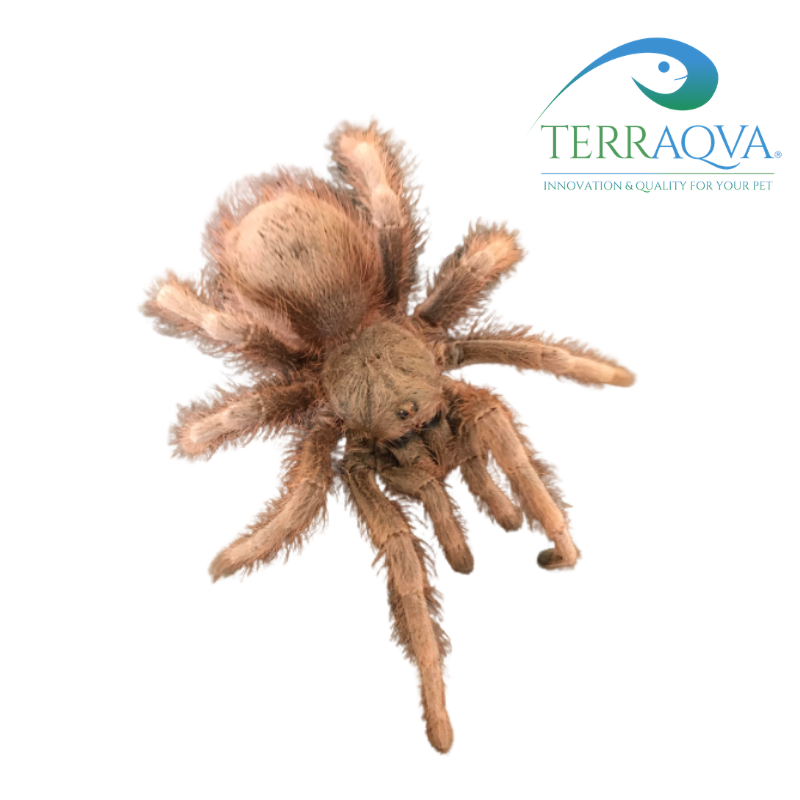
Aggressive level 4 - low, suitable for newbies and not particularly aggressive
Widespread in various parts of Brazil
Particularly voracious variety, which accepts every food provided

We accept payments quickly, easily, and securely.

Express Courier
DIMENSIONS: Size S, it is kept on sizes no larger than 17 cm as an adult.
ORIGINE: Brazil
AMBIENTAMENT VALUES: temperature 25-26 degrees Celsius during the day, 22-24 degrees Celsius overnight humidity 65-75% and adapts very well to climate change
ALIMENTATION: small insects for spiderling (prefer drosophile) and, from size M, meal bugs (grills, cockroaches, worms, locusts) of adequate size are fine. Medium size isopods, quite voracious. In particular crickets and locusts are indicated as highly protein.
TIP CONS: medium-sized terrarium or faunabox, 30x30x30; for spiderling it is very good to insert these in the classic specific containers until they reach an appropriate size and then be moved to a terrarium, always small. The substrate should be around 5 cm peat and/or vermiculitis, along with tropical plants, bowl with ever-present water or hydrogel and a natural or artificial shelter.
ABITUDINI: arachnid purely ditching
AGGRESSIVE: 4 – quiet tarantula and not very aggressive if stressed or threatened
GROWTH RAPIDIITY: average though, it's a rather voracious variety
STATUS CITES: no
CLINICAL/TOXICOLOGICAL INFO: WCH UNIVERSITY ADELAIDE; AUSTRALIA
Specific References
Aggression level 5 - moderately aggressive if particularly stressed
Mainly widespread in Benin, Ghana, Nigeria
Easy management even for the neophyte, requiring no special care
Petrified tarantula, reaches 16 cm in size and can live up to 20 years!
RARITY - Not as easily found on the market as it once was.
Aggression Level 1 - Particularly fast and non-aggressive, easy to handle.
Frequent in Guyana and other areas of South and Central America.
Arboreal tarantula, fast growing, with an average lifespan of about 12 years for females and 4-5 years for males.
Aggressive level 5 - character rather nervous but not always aggressive
Widespread in Brazil and surrounding areas
Rather voracious, it reaches a size of up to 17 cm
RARITY - requested and sought after by fans of the sector
Aggressiveness level 7 - Nervous character but still easy to manage
Widespread in Mozambique, South Africa and Kenya
A medium sized adult tarantula that spawns many webs in a terrarium
One of the most beautiful tarantulas in the Caribbean
Aggression level 8 - aggressive and nervous temperament, for experts
Widespread in the Philippines
Tarantula petrified and of medium size when adult (14/15 cm) Legspan
Aggression Level 2 - low; suitable for beginners and non-aggressive
Terrestrial/opportunistic, tropical habitat
Fast-growing and easy to care for
CITES B certified
Level aggression 7 - very aggressive, voracious and fast
Terricola, tropical South American environment
Grows very quickly and very easy to feed
RARITY - requested and sought after, as well as being a recently appeared tarantula on the market
Aggressiveness level 7 - Nervous and rather aggressive character
Widespread in Panama and other areas of Central America
It is one of the largest tarantulas in all of Central America
Aggressive level 2 - suitable for newbies and very docile
Terrestrial, typically found in south Brazil
Average and fairly long-lived growth
SIZE M FEMALE, EXTREMELY RARE IN THE HOBBY
EXTREMELY RARE - Not easily found on the market due to breeding difficulties.
Aggression Level 9 - Particularly fast and defensive, especially when threatened.
Distributed throughout Southeast Asia.
Ground-dwelling/fossorial tarantula, suitable only for experienced and knowledgeable terrarium keepers.
Aggressive level 5 - character rather nervous but not always aggressive
Widespread in Cuba
Rather voracious, it reaches a size of up to 17 cm
Level aggression 7 - voracious and fast
Terricola, tropical South American environment
Grows very quickly and very easy to feed
Difficulty level 5 – temperament can be skittish at times, but not difficult to care for
Found in Venezuela
A species capable of "sculpting" the terrarium, making extensive use of its thick webbing