Italiano


- Out-of-Stock
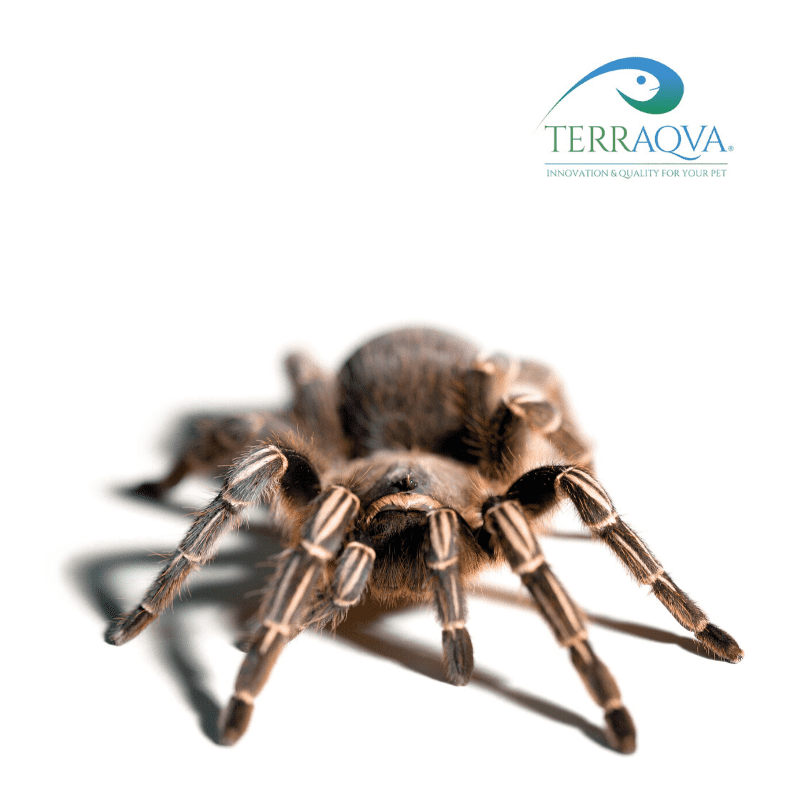
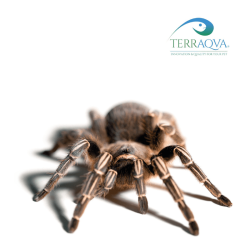
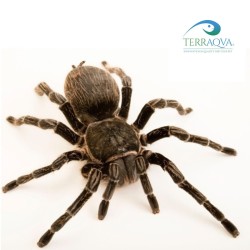
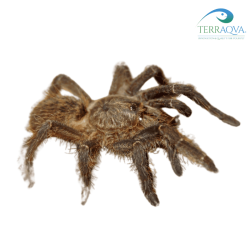
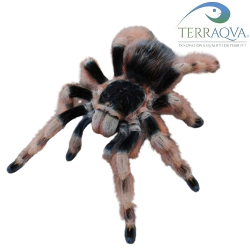
Level aggressiveness 2 - suitable for novice newbies
Night Terricola, Tropical South American Environment
Very slow growth

We accept payments quickly, easily, and securely.

Express Courier
DIMENSIONS: Size M – 6/7 cm. legspan excluded
SOURCE: Costa Rica, Honduras, Mexico
AMBIENTAMENT VALUES: temperature 26-28 degrees Celsius during the day, 24 degrees Celsius overnight humidity 70-80%
ALIMENTATION: size-appropriate insects (grills, cockroaches, worms, locusts) medium size isopods
TIP CONSMENT: Terrarium or faunabox 30x30x25, substrate 5 cm peat, along with tropical plants, bowl with water or hydrogel always present and a natural or artificial shelter
ABITUDINI: arachnid terricola/opportunist
AGGRESSIVITA: 2 – high, very voracious and aggressive as well as very fast, if stressed throws stinging hair
GROWTH RAPIDITY: High, given the voracity being among the easiest to feed aricands in terraristics
STATUS CITES: no
Specific References
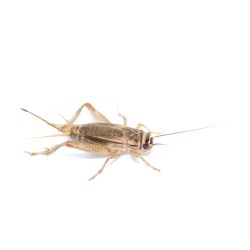
Suitable for all reptiles, amphibians, invertebrates
High concentration of protein; very little chitin
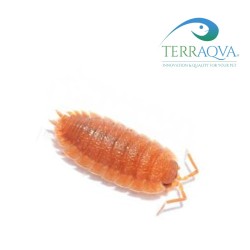
Perfect scavengers for subtropical and tropical terrariums that can eliminate mold and prevent the spread of mites
For bioactive terrariums 75-80% humidity
Great for small lizards and amphibians
One of the best source of calcium among all bugs!!
Difficulty level 2 - resistant and easy to keep species
Terrestrial, it needs a tropical environment
Easy to care for
Cites B Certificate
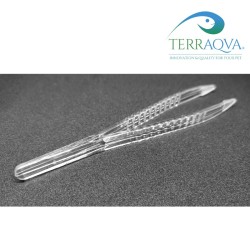
12.5 cm pliers made of rigid plastic, easy sanitizes
Ideal for administering live food or removal of residues
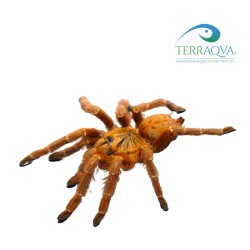
RARITY - It has the characteristic central horn on the carapace
Medium growth, up to 15 cm (including legspan)
Fossorial Tarantula, widespread in various areas of Zimbabwe
RARITY - Tarantula suitable for both beginners and experts
Aggression level 5 - voracious species, with a slightly nervous character;
Medium growth, it can live up to 10 years and has a medium / small size
Endemic species of the Dominican Republic
Difficulty level 3 - voracious and easy to care for
Medium growth rate, native to the forests of Brazil
Terrestrial, among the most resistant, it reaches large size
Difficulty level 8 – very fast and voracious; not recommended for beginners due to its defensive and unpredictable temperament.
Rapid growth; accepts a wide variety of feeder insects in the terrarium.
Shy; requires a medium-sized terrarium.
Aggression level 7 - nervous temperament, very fast and bites if provoked
Particularly widespread in Indonesia
Arboreal tarantula that reaches about 14/15 cm Legspan when adult
Beautiful tropical tarantula, polychromatic, with very bright colors
Aggression level 5 - medium management, with a defensive temperament if threatened
Origin: near Kerala, India and discovered by Deva Matha College (India)
Big diggers, they need medium humidity and substrate up to about 30 cm high!
Aggressive level 1 - very docile suitable for neophyte
Size S/M - about 0.5 to 2,2 cm and high growth
With vibrant colors and a calm temperament: perfect for beginners!
Aggressive level 6 - voracious and a little nervous species
Size L - about 5/6 cm and high growth
Tropical Terricular
Aggressive level 2 - rather docile although it can present a defensive character if stressed
Widespread in East Africa
Tarantola ditch, also suitable for newbies
RARITY - It has the characteristic central horn on the carapace
Medium growth, up to 15 cm (including legspan)
Fossorial Tarantula, widespread in various areas of Zimbabwe
Rare female specimen size M/L
Aggressive level 2 - low; suitable for novices
Deserticola/opportunist
Very low, long-lived and static growth
Cites B Certificate
RARITA ' - is one of the most sought after and expensive varieties in the industry
Level aggression 5 - rather nervous and defensive with the classic posture
Widespread South Africa
Tarantola ditch, needs special care and not suitable for newbies
Aggressive level 4 - medium/high; suitable for newbies
Terricola/opportunist, tropical environment
Fast and easy-to-farm growth
Cites B Certificate
Aggressive level 2 - suitable for newbies and very docile
Terrestrial, typically found in south Brazil
Average and fairly long-lived growth
Size M specimen