Italiano


- Out-of-Stock
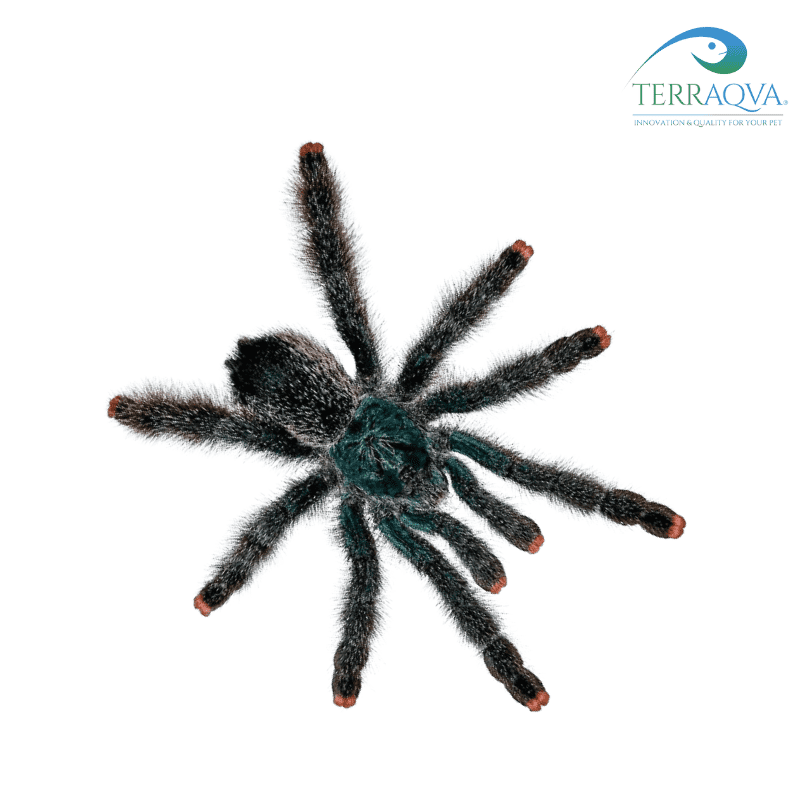
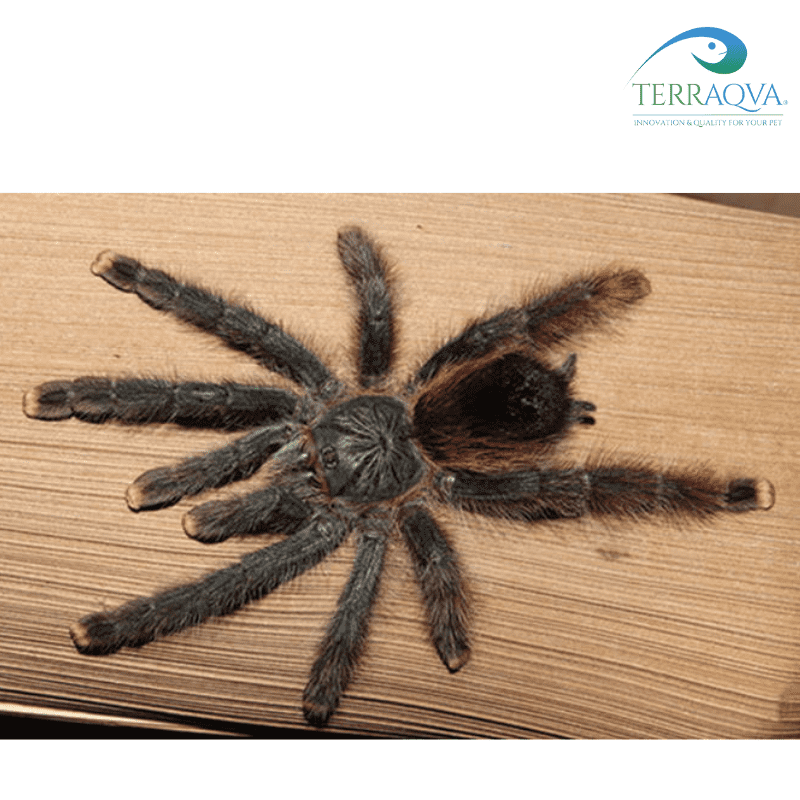
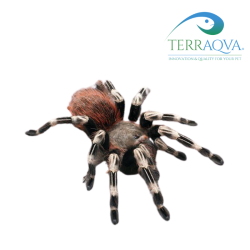
RARITY - Not as easily found on the market as it once was.
Aggression Level 1 - Particularly fast and non-aggressive, easy to handle.
Frequent in Guyana and other areas of South and Central America.
Arboreal tarantula, fast growing, with an average lifespan of about 12 years for females and 4-5 years for males.

We accept payments quickly, easily, and securely.

Express Courier
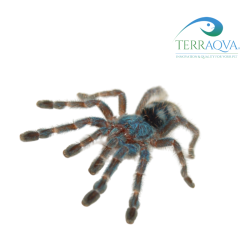
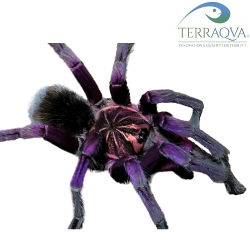
Avicularia avicularia is an easy-to-care-for and fast-moving arboreal tarantula, suitable for even novice terrarists (provided its speed is controlled), native to various parts of South America. It is a relatively rare tarantula on the market today, although it is bred frequently.
DIMENSIONS: S - 2 cm legspan included; ML - 5 cm legspan included; it remains no larger than 15 cm as an adult (legspan included).
ORIGIN: Guyana and surrounding areas
ENVIRONMENTAL VALUES: Temperature 26°-28°C during the day, 20-22°C at night, humidity 75-85% and optimal ventilation
DIET: Small insects are suitable for spiderlings (they prefer fruit flies), and from size M onwards, appropriately sized feeding insects (crickets, cockroaches, worms, locusts) are fine. Isopods are medium-sized and quite voracious. Crickets and locusts in particular are recommended due to their high protein content.
RECOMMENDED SETUP: Small terrarium or fauna box, 15x15x20/25 cm for spiderlings; 30x30x45 cm for adult specimens. The substrate should be at least 10 cm deep, made of a mix of peat and coconut fiber, along with tropical plants, providing a natural or artificial shelter where the spider will hide during the day or consume its prey. Daily misting is necessary to maintain constant internal humidity, while maintaining adequate ventilation, a key aspect of keeping all tarantulas of the Avicularia genus.
HABITS: Primarily arboreal.
AGGRESSIVENESS: 1 – Suitable for beginners, although rather quick-moving and calm in temperament
GROWTH RATE: Tall, grows fairly quickly, and reaches maturity around 2-3 years (females); males even earlier; females live up to 12 years, while males live 4-5 years
CITES STATUS: No
Specific References
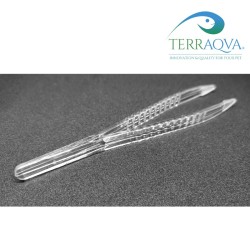
12.5 cm pliers made of rigid plastic, easy sanitizes
Ideal for administering live food or removal of residues
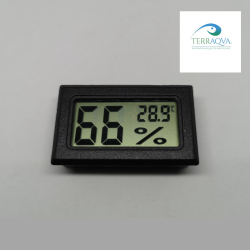
Digital thermo-hygrometer with built-in probe
Possible placement inside the terrarium, even with Velcro (not included)
2 Batteries included in the pack
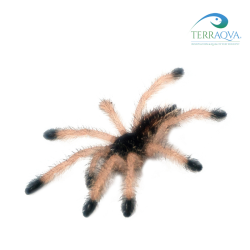
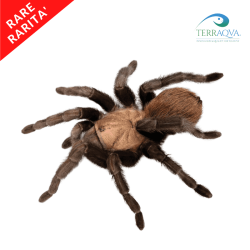
RARITA - for newbies and experts
Aggression level 3 - docile but sometimes nervous and quite quick
Arboricola, typical of Martinique and the Amazon rainforest
Needs a height-developed, well-ventilated terrarium
Needed humidity around 80%
Aggressive level 5 - character rather nervous but not always aggressive
Widespread in Brazil and surrounding areas
Rather voracious, it reaches a size of up to 17 cm
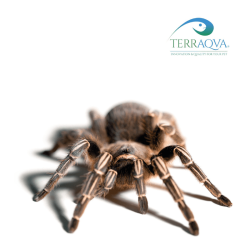
Level aggressiveness 2 - suitable for novice newbies
Night Terricola, Tropical South American Environment
Very slow growth
Aggressive level 4 - medium/high; suitable for newbies
Semi-arboreal species
Fast and easy-to-farm growth
Aggressive level 4 - voracious but docile species
Size M - about 5-6 cm and high growth
Tropical Terricular
RARITA ' - It is not easily found on the market compared to others of the same family
Aggressive level 1 - low, very suitable for newbies or for those approaching the world of migals
Widespread in Paraguay and Argentina
Tarantola land, needs hiding/shelter
Aggressive level 2 - low, particularly harmless to humans
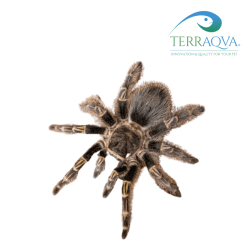
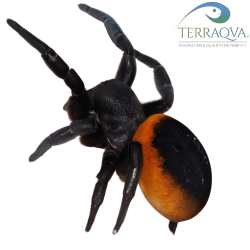
Widespread along the Mediterranean coast
Easy breeding,no need for humidity and high temperatures
Aggression level 5 - moderately aggressive if particularly stressed
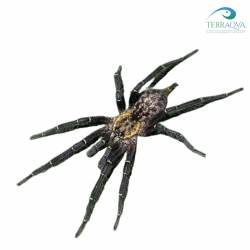
Mainly widespread in Benin, Ghana, Nigeria
Easy management even for the neophyte, requiring no special care
Petrified tarantula, reaches 16 cm in size and can live up to 20 years!
RARITA ' - one of the most beautiful and valuable tarantulas in the industry
Aggressive level 2 - uncisive and very sociable
Widespread in Africa, particular Island of Socotra
Rather voracious, it feeds quietly with a varied diet based on meal insects;
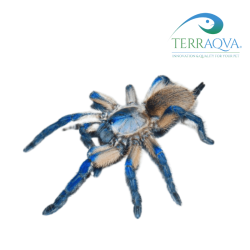
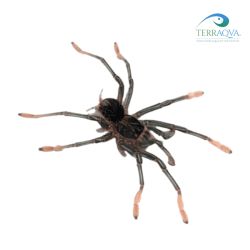
Level aggression 8 - very fast and nervous, with defensive temperament
Widespread on the island of Java and neighboring areas of Indonesia
Rather voracious, it reaches 14/15 cm as an adult
Migale arboreal that requires optimal humidity and ventilation
Aggressive level 2 - quite low
Widespread in the US and Australia
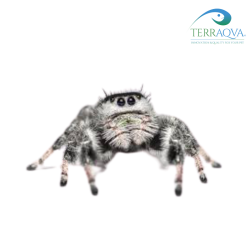
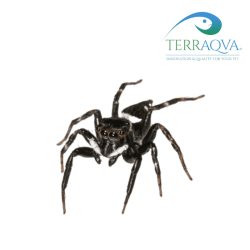
Arboreal spider with features similar to other jumpicides (e.g. phidippus)
Easy breeding in rather small terraces
Aggressiveness level: 8 - Suitable for experienced terrarium keepers, quite aggressive.
Behavior: Opportunistic, fast-growing, and rapid in movement.
Habitat: Tropical environment, South America.
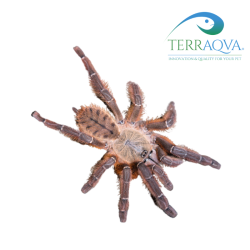
Rare variety of Pterinochilus, on the market for a short time
Aggression level 5 - moderately aggressive if particularly stressed
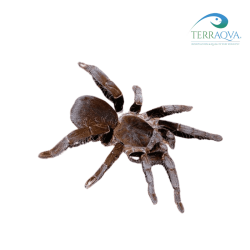
Widespread mainly in Zimbabwe, Namibia
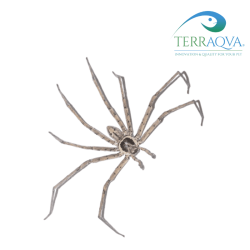
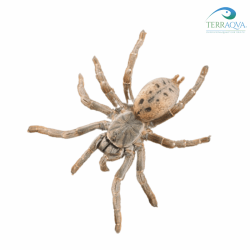
It has a gray body with a dotted abdomen