Italiano


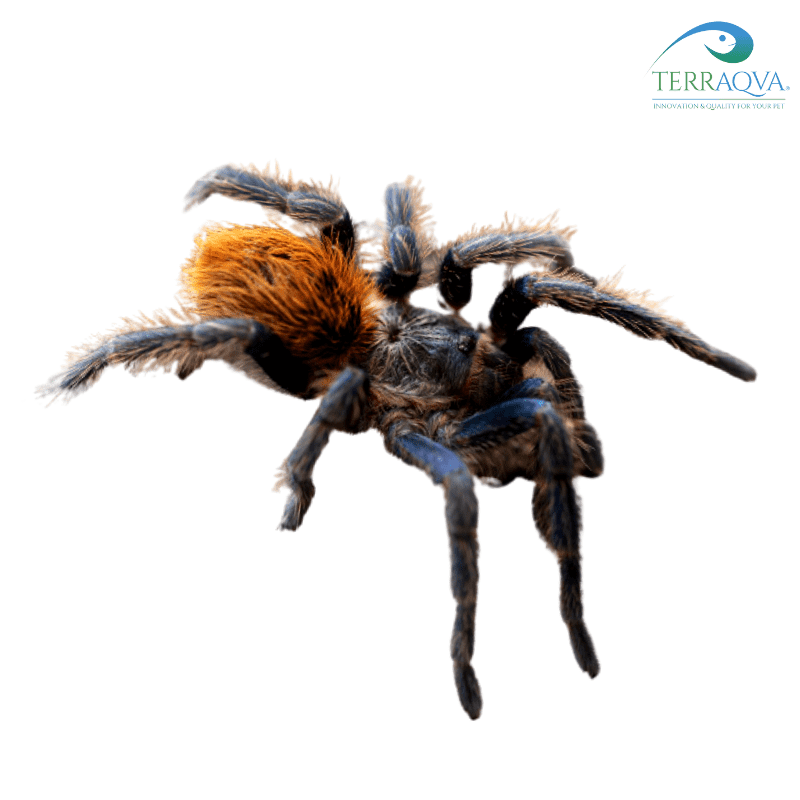
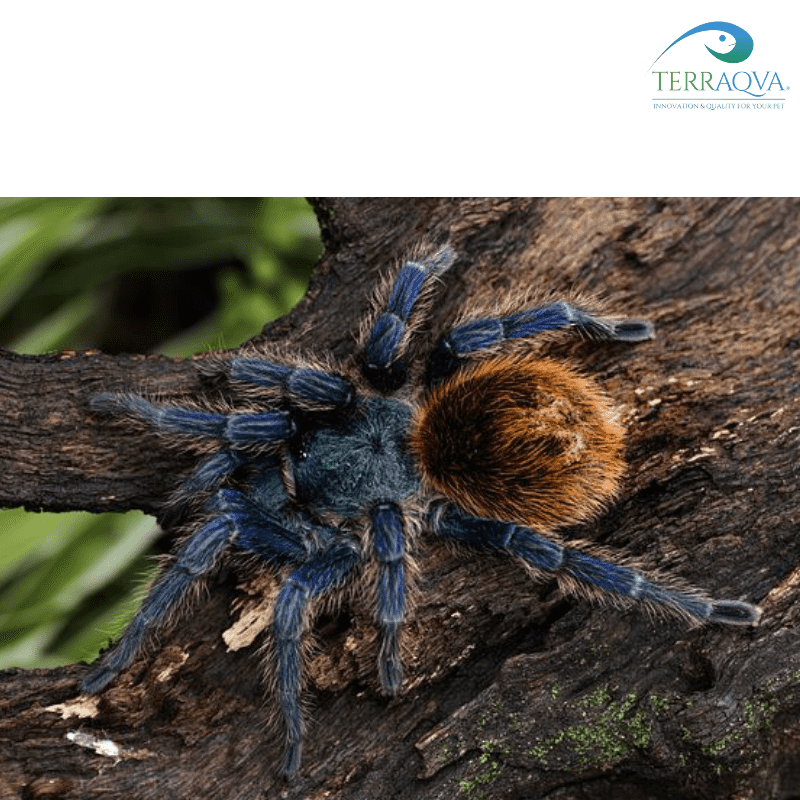
Difficulty level 5 – temperament can be skittish at times, but not difficult to care for
Found in Venezuela
A species capable of "sculpting" the terrarium, making extensive use of its thick webbing

We accept payments quickly, easily, and securely.

Express Courier
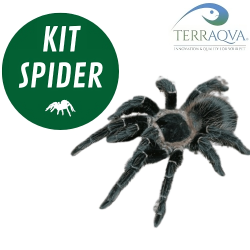
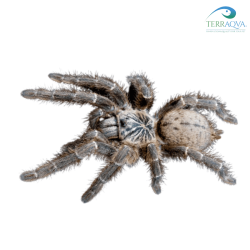
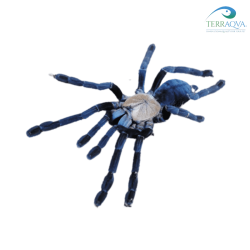
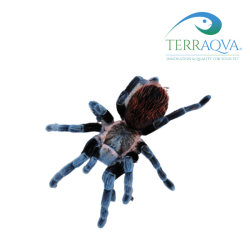
Chromatopelma cyaneopubescens also known by the common name "Green bottle Blue tarantula" is among the most highly prized and sought-after tarantulas on the market; it is distinguished by the characteristic colors reflected in its name, making it one of the most recognizable species thanks to its unmistakable elegance.
SIZE: Size M – 4,5/5 cm
SEX: Unsexed
FOUND IN: Northern Venezuela
ENVIRONMENTAL VALUES: Temperature 26–28°C (day), 20–22°C (night); humidity 50–60%
DIET: Small insects for spiderlings (small crickets, small roaches, larvae); from size M onwards, appropriately sized feeder insects are suitable.
SETUP: 30x30x30 cm terrarium or Faunabox; substrate layer of approx. 7–8 cm (peat or coconut fiber base), plus decorations and hiding spots such as branches, which the spider will cover with its abundant webbing; it is advisable to keep the substrate mostly dry or moisten only one side of the enclosure—leaving a dry area is highly appreciated, especially for size M specimens, as this species prefers drier environments; a water dish should always be provided, given the environmental requirements.
HABITS: Terrestrial/semi-arboreal tarantula
BEHAVIOR: Generally shy; often clearly visible inside the enclosure but will quickly retreat to its burrow if disturbed; if stressed, this tarantula can release urticating hairs.
GROWTH RATE: Medium
LIFESPAN: In captivity, females of this species can live up to 14 years, while males live about 4–5 years.
CITES STATUS: No
Specific References
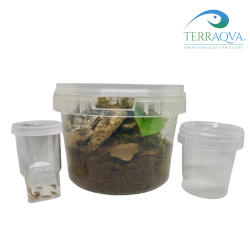
Complete BIOACTIVE kit for the breeding of a tarantula, of medium management and medium size
Ability to choose various types of tarantulas, tropical or desert environments
Live food set, heating mat, included in each kit (even single)
You can also combine the Skylight LED lighting system in the kit **
565ml full kit for Spiderling or Scorpling
Removable cover, with sterile air and air filter!
Live food dose for sling
Difficulty level 5 – temperament can be skittish at times, but not difficult to care for
Found in Venezuela
A species capable of "sculpting" the terrarium, making extensive use of its thick webbing
Difficulty level 5 – temperament can be skittish at times, but not difficult to care for
Found in Venezuela
A species capable of "sculpting" the terrarium, making extensive use of its thick webbing
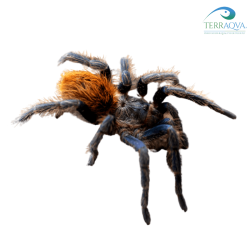
Aggression level 2 - docile but very fast and unpredictable
Size s - about 2 and medium growth
Terricola with digger habits
RARITY - Very rare on the European market, with great beauty!
Aggressiveness level 9 - suitable for experts
Widespread in a restricted area from Panama to Venezuela
Terrestrial tarantula, medium growth and size
Complete BIOACTIVE kit for the breeding of a tarantula, of medium management and medium size
Ability to choose various types of tarantulas, tropical or desert environments
Live food set, heating mat, included in each kit (even single)
You can also combine the Skylight LED lighting system in the kit **
Aggressive level 9 - very aggressive, very fast, suitable only for the most experienced
Arboricola, typical of the forests of Malaysia and mangroves
Very fast and quite voracious growth
RARITY - rare to find in the terrarium sector
Aggressiveness level 2 - Easy to manage, requires particularly tall terrariums or boxes
Widespread in a small area of Georgia, in the USA
Creates a dense web, to capture prey and can reach up to 9 cm (legspan included)
RARITY - requested and sought after by fans of the sector
Aggressiveness level 7 - Nervous character but still easy to manage
Widespread in Mozambique, South Africa and Kenya
A medium sized adult tarantula that produces many webs in a terrarium
RARITA ' - suitable for the most experienced for disposition and terrarium management
Aggressive level 5 - medium aggressive and very fast in movements
Arboricola, typical of Venezuela's forests
Needs a terrarium developed in height and well-aired
Difficulty level 7 - very fast and defensive if stressed
Widespread in Trinidad and Tobago
Tarantula quite resistant even to relatively low temperatures
RARE - suitable for the most experienced for disposition and terrarium management
Aggressive level 5 - medium aggressive and very fast in movements
Arboricola, typical of Venezuela's forests
Needs a terrarium developed in height and well-aired
Aggression level 5 - moderately aggressive if particularly stressed
Mainly widespread in Benin, Ghana, Nigeria
Easy management even for the neophyte, requiring no special care
Petrified tarantula, reaches 16 cm in size and can live up to 20 years!
RARITA ' - It is not easily found on the market compared to others of the same family
Aggressive level 1 - low, very suitable for newbies or for those approaching the world of migals
Widespread in Paraguay and Argentina
Tarantola land, needs hiding/shelter
Aggressive level 2 - suitable for newbies and very docile
Terrestrial, typically found in south Brazil
Average and fairly long-lived growth
Size M specimen
Level aggression 8 - very fast and nervous, with defensive temperament
Widespread on the island of Java and neighboring areas of Indonesia
Rather voracious, it reaches 14/15 cm as an adult
Migale arboreal that requires optimal humidity and ventilation