Italiano


- Out-of-Stock
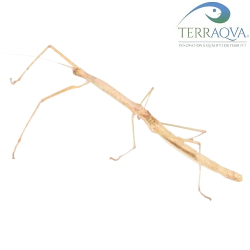
Difficulty Level 1 - Very easy to raise, suitable for beginners
Frequently found in tropical environments
It feeds on host plants such as rose leaves, brambles, oaks, and privet

We accept payments quickly, easily, and securely.

Express Courier
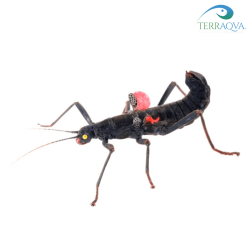
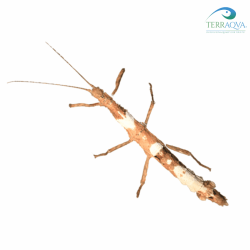
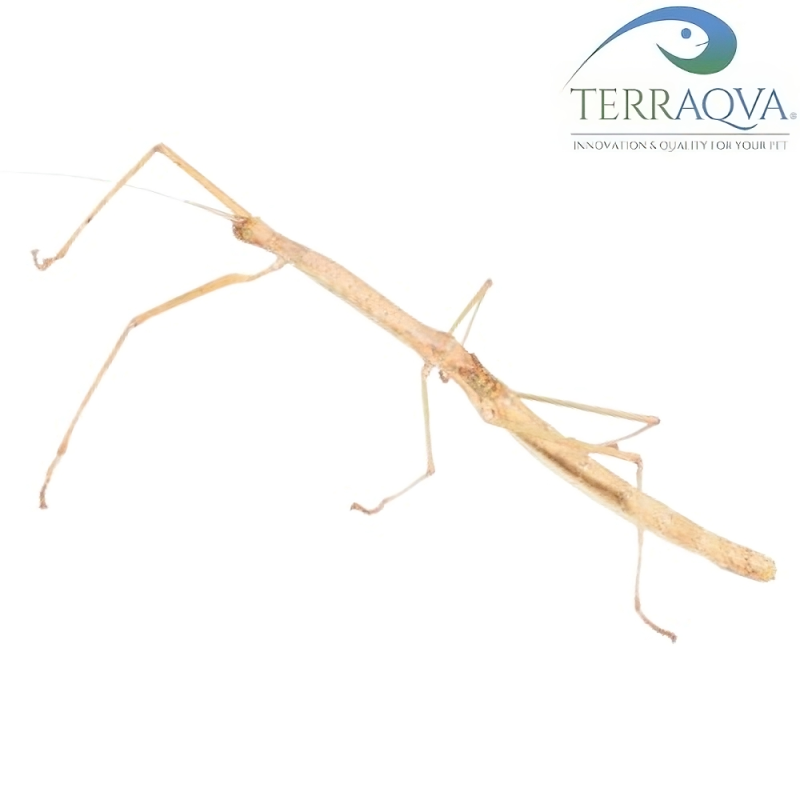
Phaenopharos Khaoyaiensis also known by the common name Khao stick insect or red-winged stick insect
SIZE: young specimens, approximately 5cm
NATIVE TO: Thailand
ENVIRONMENTAL VALUES: Temperature 21/25C during the day, 20/22C at night, humidity 80%, with constant misting
DIET: It feeds on rose, oak, bramble and privet leaves
SETUP: A tall terrarium measuring 30x30x60 cm, with optimal ventilation and plenty of space to allow insects to move around inside. Sterile substrate with paper towels or a mixture of peat and vermiculite, approximately 5 cm deep.
HABITS: arboreal insect, spends most of its time on the branches feeding
BEHAVIOR: very docile and easy to raise, especially as a first insect for children, suitable for experts and beginners
GROWTH RATE: Medium
LIFESPAN: About 9 to 10 Months
STATUS CITES: no
Specific References
Difficulty Level 1 - Stick insect for beginners, even suitable for children
Mainly found in tropical environments
Native of the Philippines
Tropical stick insect, easy to manage but suitable for more experienced breeders
Widespread in Borneo
Needs a well ventilated terrarium or box and humidity 70%
As an adult it reaches 12 cm in size and feeds with bramble leaves, oak, hazel
Beautiful phasmid, native to Peru
Aggression level 0 - low; suitable for beginners
Requires a medium-sized terrarium or fauna box
Fast-growing and easy to care for, nocturnal, feeds on privet
Beautiful and rare phasmid
Aggressiveness level 0 - very easy for the novice to manage
Widespread in the areas of Mindanao, Philippines
It feeds on bramble leaves and requires a humidity of around 80%
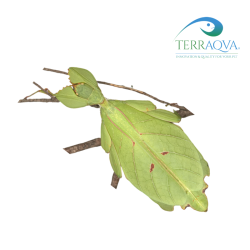
Tropical green leaf stick insect, easy to manage
Widespread in the Rizal area of the Philippines
Needs a well ventilated terrarium or box and humidity 70%
As an adult it reaches 12 cm in size and feeds with bramble leaves, oak, hazel
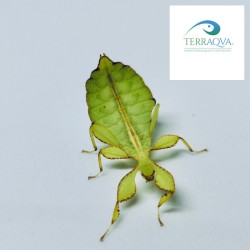
Malaysian green leaf stick insect
Very easy for beginners
It feeds on the leaves of plants such as roses, brambles, oak, and privet
Tropical stick insect, of easy difficulty but suitable for more experienced breeders
Widespread on the island of Guadeloupe
Needs a well-ventilated terrarium or box and humidity 65%
As an adult it reaches 7/9 cm in size and feeds on bramble, oak and hazel leaves
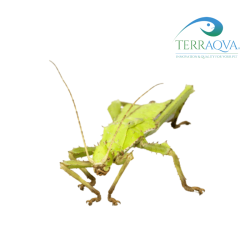
Giant Malaysian stick insect
Difficulty Level 4: - Medium
The adult female is larger and greener than the male, which is smaller and brown
Tropical stick insect, easy to manage but suitable for more experienced breeders
Widespread in Papua New Guinea
Needs a well ventilated terrarium or box and humidity 60-70%
As an adult it reaches 14 cm in size and feeds with bramble leaves or oak
Tropical stick insect, easy to manage but suitable for more experienced breeders
Widespread in Queensland,Australia
Needs a well ventilated terrarium or box and humidity 55%
As an adult it reaches 12 cm in size and feeds with bramble leaves, oak, hazel
Tropical green leaf stick insect, easy to manage
Widespread in Papua New Guinea
Needs a well ventilated terrarium or box and humidity 70%
As an adult it reaches 12 cm in size and feeds with bramble leaves, oak, hazel