Italiano


- Out-of-Stock
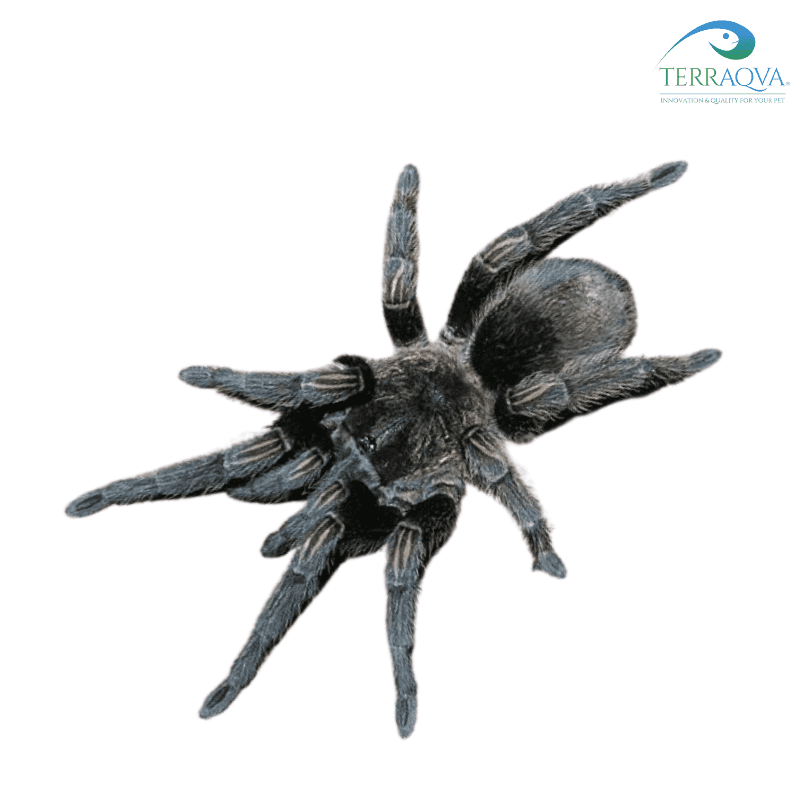
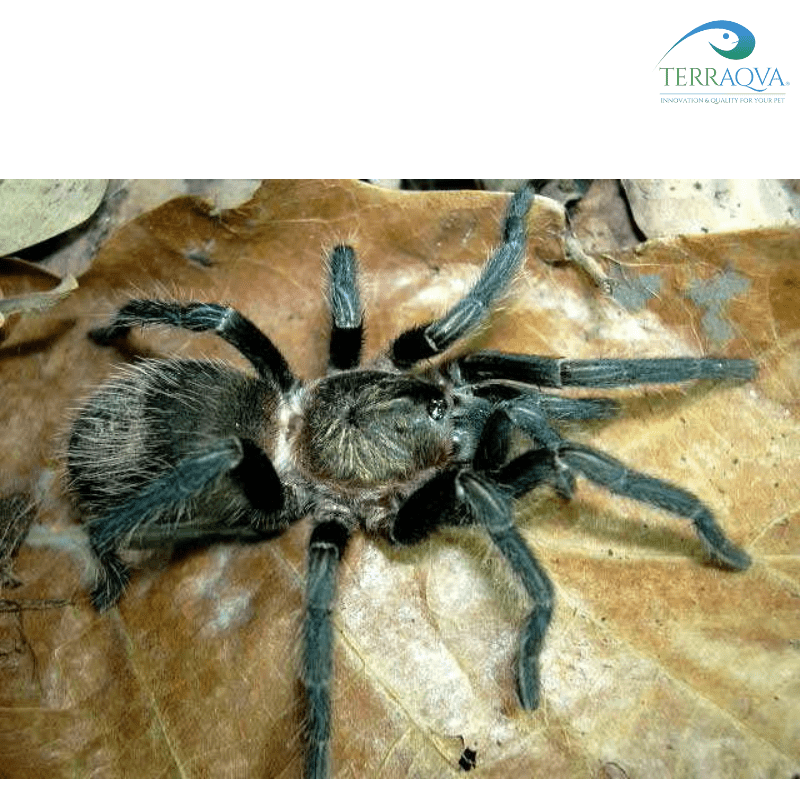
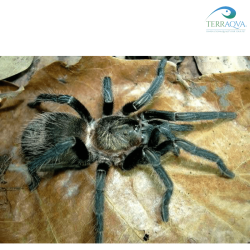
RARITY - Much sought after by breeders for its particular color
Aggressiveness level 5 - Medium, as it is slightly unpredictable in behavior
Widespread in the various tropical areas of the Peruvian tropical forest
Fast growing nocturnal terricolous tarantula lives up to 7-10 years (females) and 4-5 males

We accept payments quickly, easily, and securely.

Express Courier
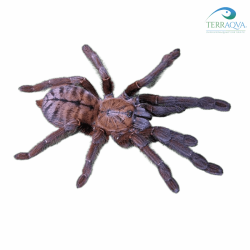
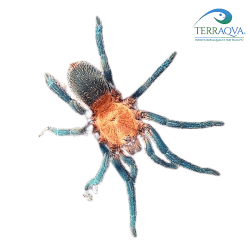
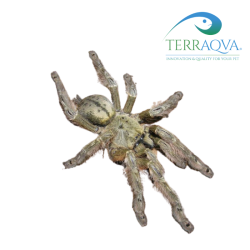
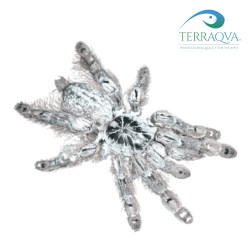
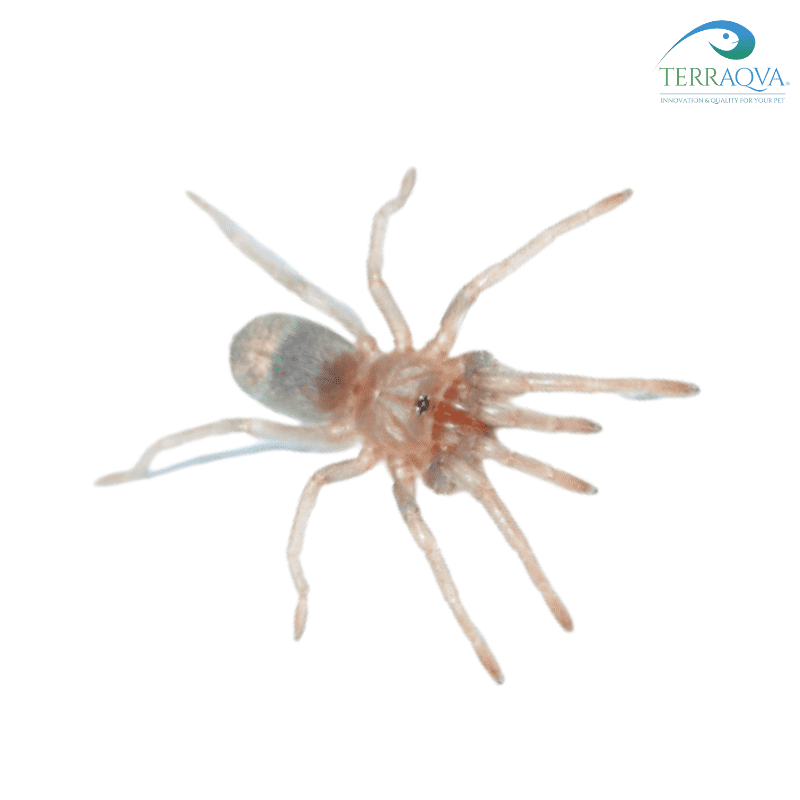
Thrixopelma pruriens is a very rare and sought-after tarantula on the market, coming from the Peruvian tropical areas, with a beautiful green color and with a medium aggressiveness
DIMENSIONS: S-1 / 1.5 cm legspan included; M-4-5cm legspan included; it is maintained on dimensions not exceeding 7 cm when adult (legpspan excluded).
ORIGIN: Peru
ENVIROMENTAL VALUES: temperature 24 ° -26 ° C daytime, 20-22 ° C nighttime humidity 65-80%
FEEDING: small insects for spiderlings (they prefer drosophile) and, from size M, feeding insects (crickets, cockroaches, worms, locusts) of adequate size are good. Medium-sized isopods; quite voracious. In particular, crickets and locusts are indicated as they are highly protein. Spiderling should be fed 1-2 times a week while, adults, about every 10 days, with the possibility of supplying pinki topi reeds to the latter.
RECOMMENDED EQUIPMENT: large terrarium or faunabox, starting from 20x20x30 cm for spiderlings; 50x40x25 / 30 cm for 1 adult specimen. The substrate should be at least 7 cm high peat and mixed coir, together with tropical plants, a natural or artificial refuge where it will burrow during the day or to consume prey. Daily nebulizations are necessary to keep the internal humidity constant, while maintaining adequate ventilation.
HABITS: arachnid purely terrestrial, nocturnal
AGGRESSIVITY: 5 - on average suitable for neophytes, with medium defensiveness, however presenting stinging hairs, for which maximum attention is required for the most sensitive subjects and a slight behavioral unpredictability
RAPID GROWTH: medium-high, it grows rather quickly and reaches maturity around 2/3 years (females); males even earlier; the females live up to 10 years while, the males, 4-5 years
STATUS CITES: no
CLINICAL / TOXICOLOGICAL INFO: WCH ADELAIDE UNIVERSITY; AUSTRALIA
Specific References
Difficulty Level 2 - perfect choice for beginners
Opportunistic Tarantula that thrive in drier environments
Voracious and slow growing species
RARITA - for newbies and experts
Aggression level 3 - docile but sometimes nervous and quite quick
Arboricola, typical of Martinique and the Amazon rainforest
Needs a height-developed, well-ventilated terrarium
Needed humidity around 80%
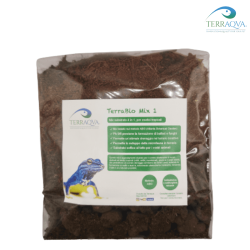
Mix of substrates and natural micro / macro elements, with grafts of bioactive crops
Used for creating an optimal substrate for tropical and substropical bioactive terrariums
Contains natural elements and spores, favoring the rapid maturation of the bioactive terrarium
Aggressive level 2 - low, particularly harmless to humans
Widespread along the Mediterranean coast
Easy breeding,no need for humidity and high temperatures
RARITY - has a beautiful mustard yellow color
Aggression level 9 - voracious and nervous species, particularly aggressive
Widespread in Africa, Sudan and Tanzania
Suitable for experienced terrarists, very fast and nervous, semi-arboreal
Aggressiveness level 5 - medium / high; very fast and nervous, not suitable for beginners
Particularly widespread in India
Create beautiful tunnels and cobwebs inside the terrarium
Rather voracious, fossoria
Aggression level 7 - nervous temperament, very fast and bites if provoked
Particularly widespread in Indonesia
Arboreal tarantula that reaches about 14/15 cm Legspan when adult
Aggressiveness level 2 - unpredictable, fast but docile and suitable for beginners
Widespread in various of Trinidad and surrounding areas
Terricola fossoria, with medium growth and small size when adult
RARE - suitable for the most experienced for disposition and terrarium management
Aggressive level 5 - medium aggressive and very fast in movements
Arboricola, typical of Venezuela's forests
Needs a terrarium developed in height and well-aired
Aggressive level 5 - character rather nervous but not always aggressive
Widespread in Brazil and surrounding areas
Rather voracious, it reaches a size of up to 17 cm
Difficulty level 1 - suitable for beginners and very docile
Terrestrial Tarantula, typically found in south Brazil
Medium growth and fairly long-lived
Aggressive level 6 - voracious and a little nervous species
Size L - about 5/6 cm and high growth
Tropical Terricular
Aggressive level 5 - character rather nervous but not always aggressive
Widespread in Brazil and surrounding areas
Rather voracious, it reaches a size of up to 17 cm
Rarity, locality from NICARAGUA
Aggressive level 8 - very aggressive and with a nervous temperament
Arboricola, typical of West African forests
Needs a terrarium developed in height and well-aired
Difficulty level 8 - extremely fast, recommended for experienced keepers
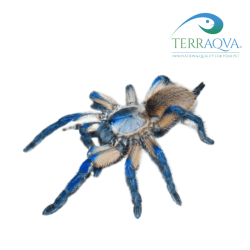
It comes from Ghana and Benin, highly appreciated for its colours
Arboreal, requires a tall enclosure with good airflow
Complete BIOACTIVE kit for the breeding of a tarantula, of medium management and medium size
Ability to choose various types of tarantulas, tropical or desert environments
Live food set, heating mat, included in each kit (even single)
You can also combine the Skylight LED lighting system in the kit **
RARITA ' - one of the most beautiful and valuable tarantulas in the industry
Aggressive level 5 - very sociable towards individuals of the same species, toward the keeper in can be skittish and a fast runner
Widespread in Africa, particular Island of Socotra
Rather voracious, it feeds quietly with a varied diet based on meal insects;