
 Italiano


EXOTIC INSECTS
There are 116 products.
Active filters
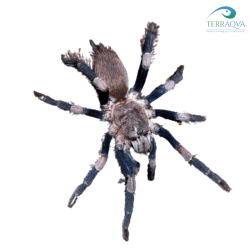
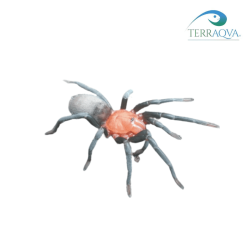
RARITA ' - Recently present on the hobby market
Aggressive level 1 - low
Widespread especially in Brazil
Docile temper, easy to breed even for newbies
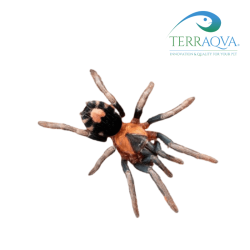
Aggressive level 1 - low; very docile also suitable for newbies
Widespread in the Trinidad area
Stays small even as an adult
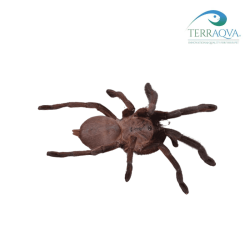
Aggressive level 5 - medium/high; fast and nervous, not suitable for newbies
Widespread in southern China
Create beautiful tunnels and cobwebs inside the terrarium
Rather voracious, ditching/terricular
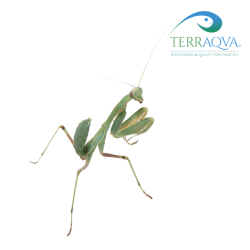
Beautiful mantide typical of Central Africa
Very robust variety, suitable for newbies and quite voracious
They tend to chase prey compared to other mantid
They willingly accept most meal bugs
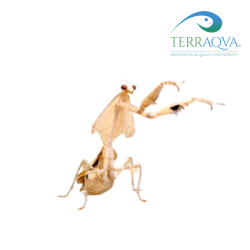
Widespread in Southeast Asia, suitable for newbies
Need for branches where station most of the time
Very prolific variety after mating
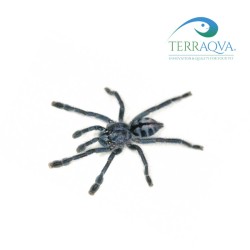
Rarity, for newbies and experts
Aggression level 2 - docile but sometimes nervous
Arboricola, typical of South American forests
It needs a well-structured, breezy terrarium
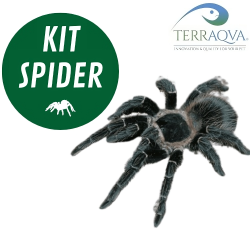
Complete BIOACTIVE kit for the breeding of a tarantula, of medium management and medium size
Ability to choose various types of tarantulas, tropical or desert environments
Live food set, heating mat, included in each kit (even single)
You can also combine the Skylight LED lighting system in the kit **
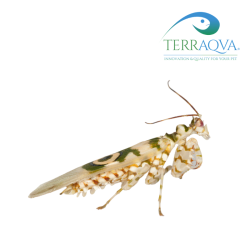
Aggressive level 5 - can only be accommodated one specimen per the not fit
Very simple variety to breed, suitable for newbies
Tropical, feeds on meal bugs
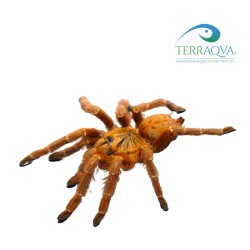
Difficulty level 8 – very fast and voracious; not recommended for beginners due to its defensive and unpredictable temperament.
Rapid growth; accepts a wide variety of feeder insects in the terrarium.
Shy; requires a medium-sized terrarium.
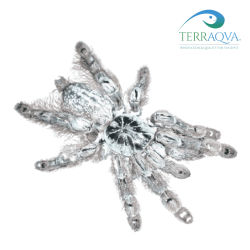
Difficulty level 8 - extremely fast, recommended for experienced keepers
It comes from Ghana and Benin, highly appreciated for its colours
Arboreal, requires a tall enclosure with good airflow
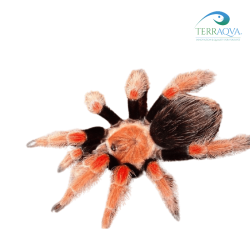
Difficulty Level 2 - perfect choice for beginners
Opportunistic Tarantula that thrive in drier environments
Voracious and slow growing species