Italiano


- Out-of-Stock
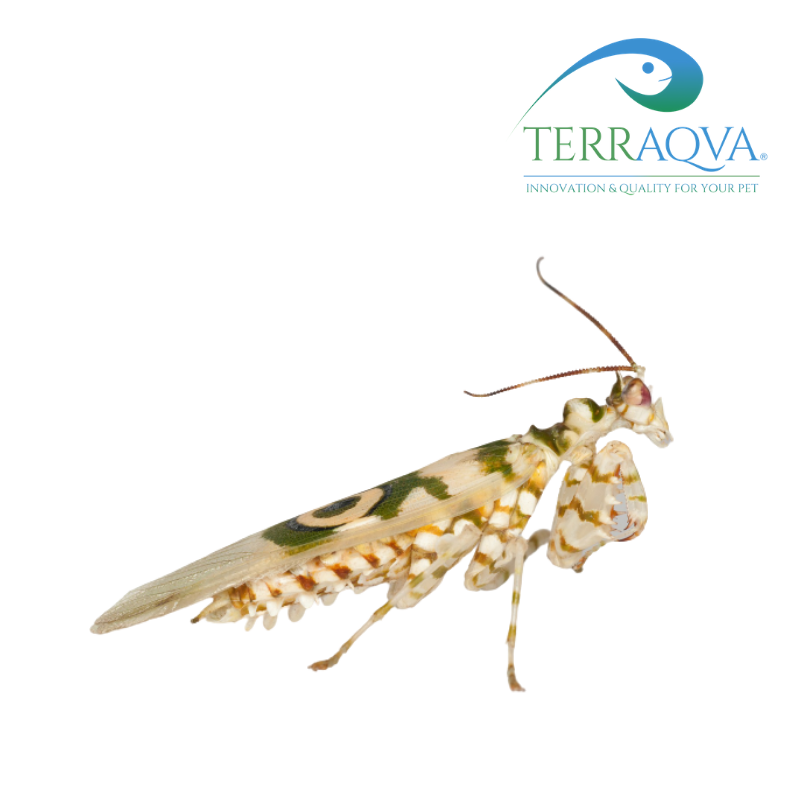
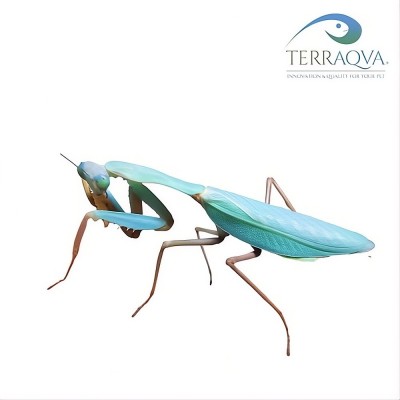
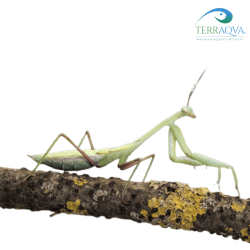
Aggressive level 5 - can only be accommodated one specimen per the not fit
Very simple variety to breed, suitable for newbies
Tropical, feeds on meal bugs

We accept payments quickly, easily, and securely.

Express Courier
DIMENSIONS: Size L1/L2
ORIGINE: Sub-Saharan Africa,
AMBIENTAMENT VALUES: temperature 25-26C during the day, 18C at night, humidity 65-70%
ALIMENTATION: size-appropriate insects (grills, cockroaches, worms, locusts) medium size isopods
TIP SET UP: terrarium or faunabox 20x20x30 or 40, developed in height, substrate 2-3 cm vermiculite, along with tropical plants areas or with fronds that allow to provide adequate shelter, hydration provided by daily nebulates (once a day) or hydrogel
ABITUDINI: solitary, can fly if disturbed or particularly stressed, inside the terrarium
AGGRESSIVITA: 5 – docile towards the terrariophil but very aggressive towards other individuals of different species or of the same species
GROWTH RAPIDIITY: medium growth and voracious
STATUS CITES: no
Specific References
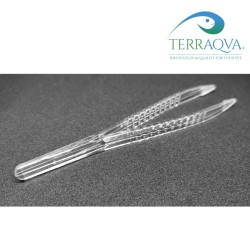
12.5 cm pliers made of rigid plastic, easy sanitizes
Ideal for administering live food or removal of residues
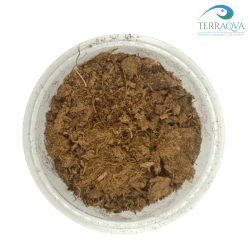
Pack 5 Litres
Acid ph and moist acids reduce odors and provide good moisture
Suitable for migals and scorpions but also reptiles and amphibians that need a soft and damp substrate
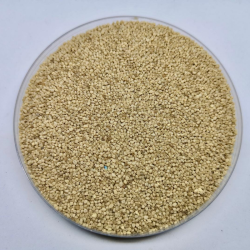
Highest quality quartz sand for terraries and aquariums
100% sterilized and free of fine particulates
Pack 1 kg
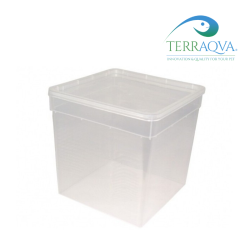
Capacity 5.8 lt, transparent, 18.5x18.5x19 cm (external) size
Easy to sanitize and suitable for a variety of uses, thanks to the height
Also great for the creation of kits or small terrari or exhibition exhibitions
Suitable for the housing of small reptiles and amphibians as well as invertebrates (migals, scorpions etc.) arboreal also
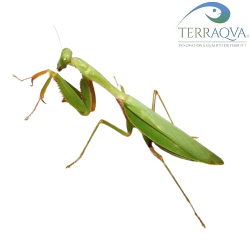
Very robust variety, which reaches 8 cm in length
Needs well-aired and sprayed boxes or terrariums every day
Suitable for newbies and for educational purposes
Rather voracious, he accepts meal bugs of various kinds
Difficulty level 2 - very docile and resistant
very simple species to keep, suitable for beginners
Tropical habits, it feeds on insects
Widespread in Southeast Asia, suitable for newbies
Need for branches where station most of the time
Very prolific variety after mating
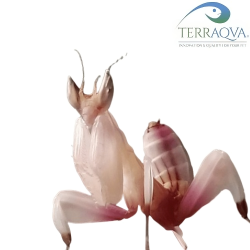
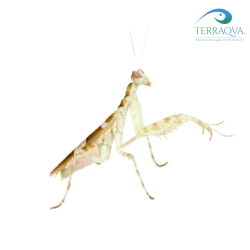
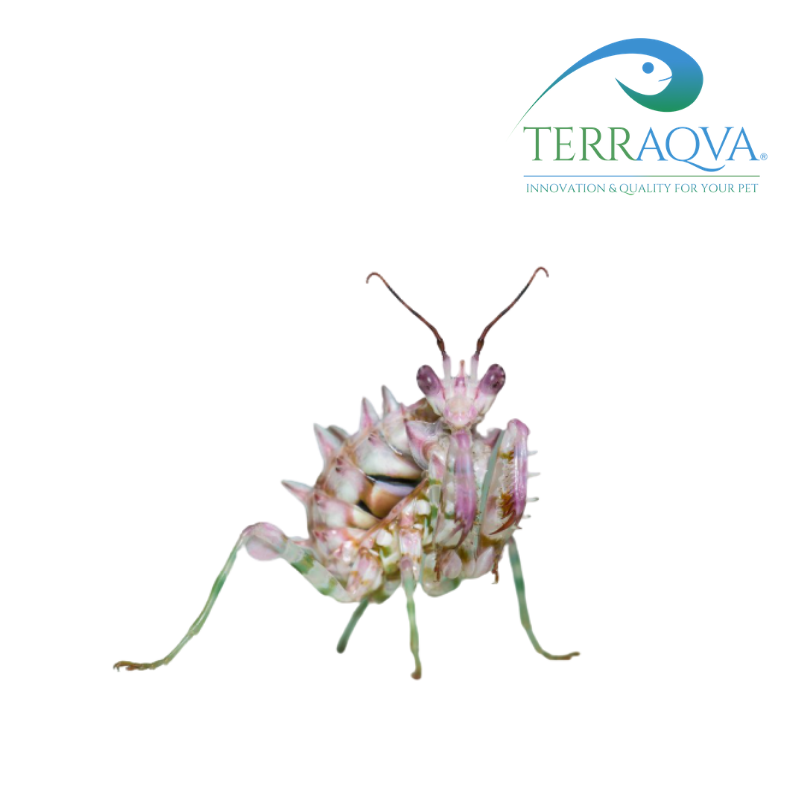
A beautiful mantis that perfectly mimics the colors of orchids to camouflage itself while hunting.
Difficulty level 6 – Aggressive towards any smaller insect as well as members of its own species; keep each specimen individually.
Native to the tropical habitats of Indonesia.
Particularly voracious; moderately easy to care for.
Very robust variety, which reaches 10 cm in length
Needs well-aired and sprayed boxes or terraries every two days
Suitable for newbies and for educational purposes
Rather voracious, he accepts meal bugs of various kinds
Size: L2/L3
Aggressiveness level: 5 – Moderately aggressive towards conspecifics but harmless to the keeper.
Origin: Sumatra Island
Long-lived mantis, with a lifespan of up to approximately 2 years.
Size L2-L3
Specific to the area of Yunnan, a Chinese province very rich in biodiversity
It keeps on small dimensions
Requires humidity of 60/70% and temperature 24-25 °
Beautiful mantide typical of Central Africa
Very robust variety, suitable for newbies and quite voracious
They tend to chase prey compared to other mantid
They willingly accept most meal bugs
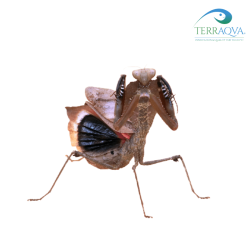
Aggression level: 8 - Aggressive towards conspecifics and other species
Widespread in Southeast Asia, rather difficult to breed, suitable for experts
Need for branches where I station most of the time
Very prolific variety after mating
Aggressiveness level: 5 - moderately aggressive towards conspecifics
African mantis, which reaches 17 cm in length when adult!
Typical of particularly arid African habitats
Requires average humidity and temperature
RARITY - Various sizes available
Aggression level 5 - aggressive towards other varieties of mantises and towards individuals of the same species
Intermediate variety, suitable for breeders with medium experience given the breeding needs
Tropical, it feeds on meal insects, particularly drosophile and thermobia
Aggressiveness level: 5 – Moderately aggressive towards conspecifics but harmless to the keeper.
Origin: Malay Peninsula - Sumatra.
Long-lived mantis, with a lifespan of up to approximately 2 years.