Italiano




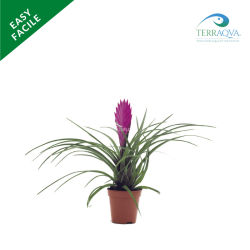
Difficulty: Low, easy to manage
Various colors and sizes available
Evergreen epiphytic plant, from Central America
Excellent for tropical and humid terrariums, it needs frequent nebulizations

We accept payments quickly, easily, and securely.

Express Courier
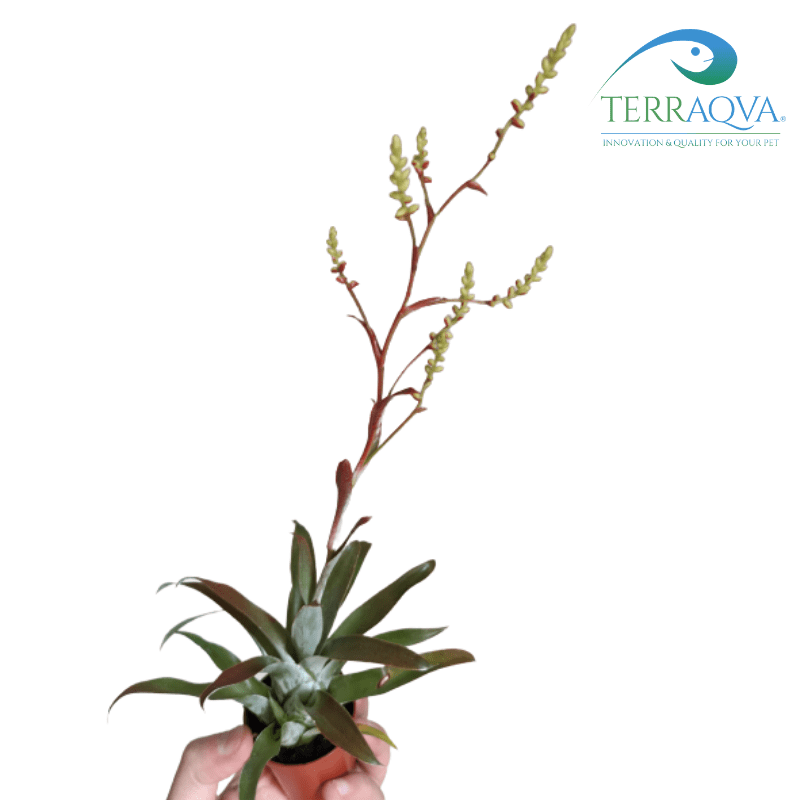
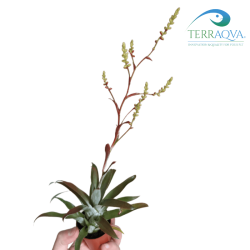
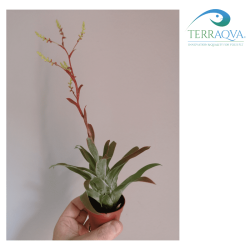
Catopsis morreniana is a plant that belongs to the Bromeliads family, with curious flowers with white to pale yellow color and easy to manage compared to other epiphytes
DIFFICULTY: Low
DIMENSIONS: reaches 45/55 cm in height
ORIGIN: Central America
CHARACTERISTICS: Catopsis morreniana are very popular plants for setting up tropical or subtropical terrariums and offer excellent shelter for different types of invertebrates, reptiles and amphibians. They are widely used for vivarium or paludariums, thus offering shelter and various holds, especially for arboreal species.
Being an epiphytic plant, it needs a soil with a good mixture of peat and / or loam and sand for optimal growth.
EXPOSURE: Sun exposure is very important but it must not be direct; in the terrarium phytostimulant lights can be used to favor the right exposure and withstands temperatures of up to 16 ° C
WATERING: frequent in every season, it suffers from drought
FERTILIZATION: not necessary in the terrarium; in the apartment, once a month with liquid fertilizer for epiphytes
REPOT: nd
Specific References
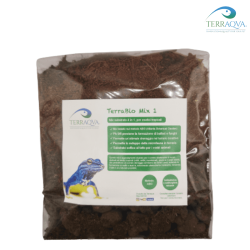
Mix of substrates and natural micro / macro elements, with grafts of bioactive crops
Used for creating an optimal substrate for tropical and substropical bioactive terrariums
Contains natural elements and spores, favoring the rapid maturation of the bioactive terrarium
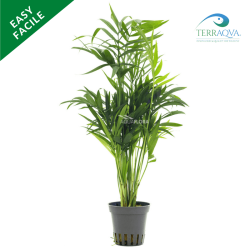
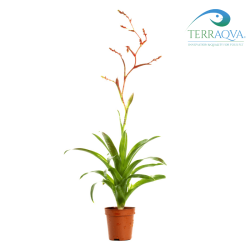
Difficulty: Low, easy to manage, it can develop in height even for several meters
Evergreen epiphytic plant, from Central and South America
Excellent for tropical and humid terrariums, it needs frequent nebulizations
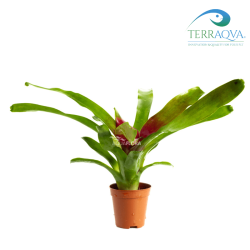
From the Bromeliad family
Easy to care for, very colorful, adapts to a variety of conditions
Requires constant humidity year-round and medium/high, indirect light
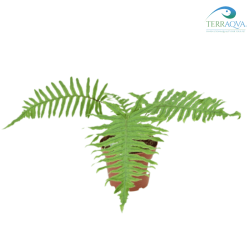
Climbing fern native to the island of Kyushu, Japan
Easy management, suitable for creating environment with climbing plants or decorations
Requires high humidity, good light exposure for proper management
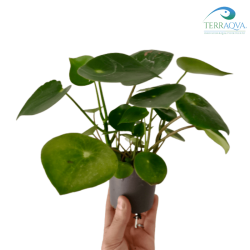
Chinese money plant, available in various diameters and heights
Easy handling, with round coin-like leaves from Yunnan
Requires high humidity, good light exposure for proper management
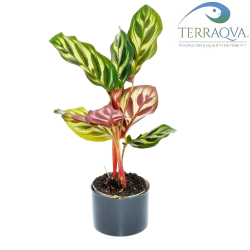
Easy to manage, with large, oval leaves striped with light and dark green, featuring patterns that resemble peacock feathers
Requires high humidity for proper management and leaf growth
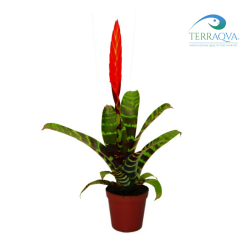
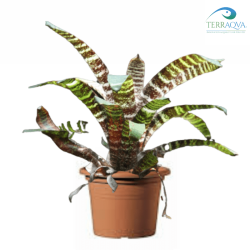
Beautiful bromeliad with variegated colors of rigid and arched foliage
The leaves reach 45 cm in size, compared to other Vriesea species
Easy to manage, excellent plant for tropical terrariums, especially for Dendrobatidae
Requires high humidity and a bright location but with little direct light
Average management given its needs, with green leaves and different shades of white
It requires very high ambient humidity for correct foliar growth, avoiding stagnation
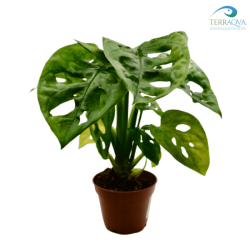
Available in various diameters and heights
Easy to manage, with medium leaves with holes called 'monkey mask'
It requires high humidity for proper management and foliar growth
Suitable for decorating tropical terrariums.
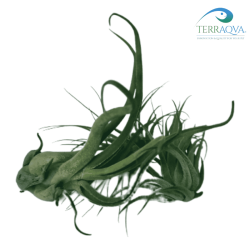
Also known as the "wind plant" because it absorbs water only from the air and does not need to be planted in soil.