Italiano


From the Bromeliad family
Easy to care for, very colorful, adapts to a variety of conditions
Requires constant humidity year-round and medium/high, indirect light

We accept payments quickly, easily, and securely.

Express Courier
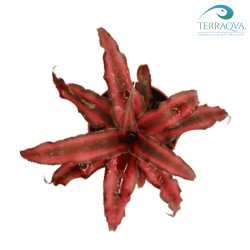
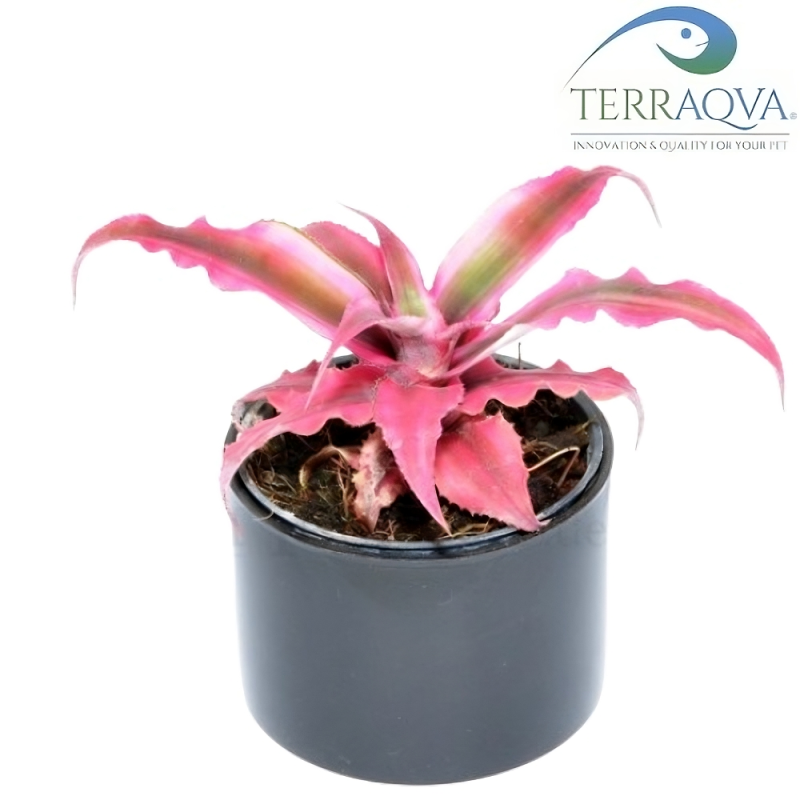
Cryptanthus bivittatus is a small tropical plant from the Bromeliad family, characterized by star-shaped foliage.
It is a robust yet small plant (reaching a maximum height of 10 cm) and is therefore particularly suitable for small tropical and subtropical terrariums (starting at 20 x 15 cm).
It requires medium-high light and regular watering throughout the year, thus requiring high humidity, without ever allowing the soil to dry out between waterings.
A growing temperature of 25-28°C and 80-90% humidity are recommended.
Specific References
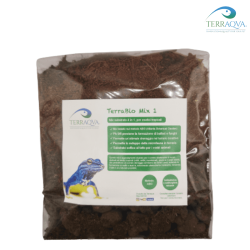
Pack 5 Litres
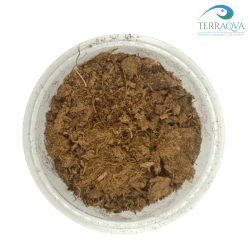
Acid ph and moist acids reduce odors and provide good moisture
Suitable for migals and scorpions but also reptiles and amphibians that need a soft and damp substrate
Mix of substrates and natural micro / macro elements, with grafts of bioactive crops
Used for creating an optimal substrate for tropical and substropical bioactive terrariums
Contains natural elements and spores, favoring the rapid maturation of the bioactive terrarium
Difficulty: Low, easy to manage
Various colors and sizes available
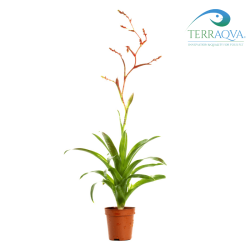
Evergreen epiphytic plant, from Central America
Excellent for tropical and humid terrariums, it needs frequent nebulizations
From the Bromeliad family
Easy to care for, very colorful, adapts to a variety of conditions
Requires constant humidity year-round and medium/high, indirect light
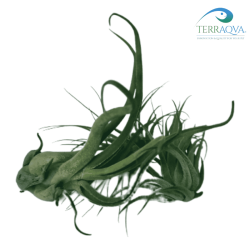
Suitable for decorating tropical terrariums.
Also known as the "wind plant" because it absorbs water only from the air and does not need to be planted in soil.
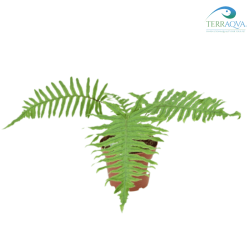
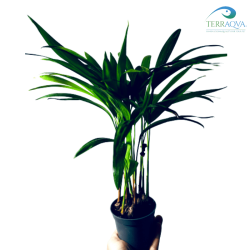
Climbing fern native to the island of Kyushu, Japan
Easy management, suitable for creating environment with climbing plants or decorations
Requires high humidity, good light exposure for proper management
Difficulty: Low, easy to manage
Various colors and sizes available
Evergreen epiphytic plant, from Central America
Excellent for tropical and humid terrariums, it needs frequent nebulizations
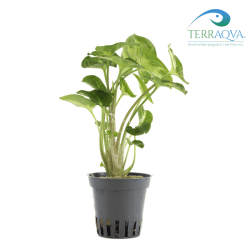
Difficulty: Low, easy to manage, it can develop in height even for several meters
Evergreen epiphytic plant, from Central and South America
Excellent for tropical and humid terrariums, it needs frequent nebulizations
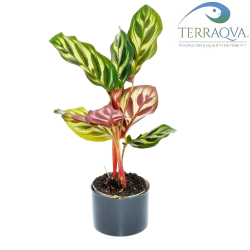
Easy to manage, with large, oval leaves striped with light and dark green, featuring patterns that resemble peacock feathers
Requires high humidity for proper management and leaf growth
Very beautiful and sought-after plant for tropical and subtropical apartments and terrariums
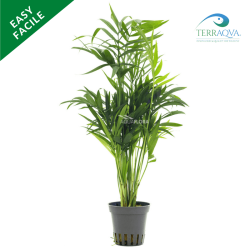
It can reach 50 cm in height if well cared for
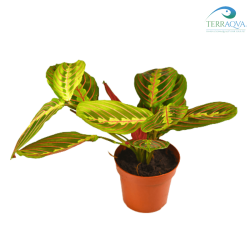
Easy handling, called the prayer plant for its leaves and behavior
It requires high humidity, good light exposure and minimum temperatures of 15 ° C
Available in various diameters and heights
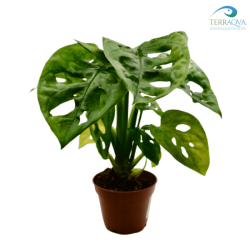
Easy to manage, with medium leaves with holes called 'monkey mask'
It requires high humidity for proper management and foliar growth
Called the resurrection plant, due to some peculiarities
Small plant, rather resistant to low temperatures
Easy to manage, rather colorful, it comes from East Africa
Requires medium humidity, good light, slightly shaded exposure
Available in various diameters and heights
Terricolous orchid, native to the humid environments of Asia
It requires medium humidity for proper management and foliar growth