
 Italiano


EXOTIC INSECTS
There are 48 products.
Active filters
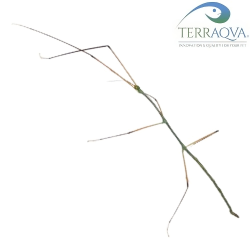
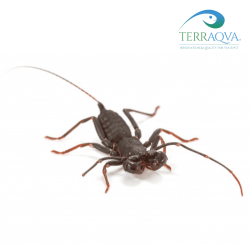
Aggressive level 2 - docile temperament, variable between specimens of the same species
Widespread in the US and parts of Mexico
Arachnid ditch, also suitable for newbies
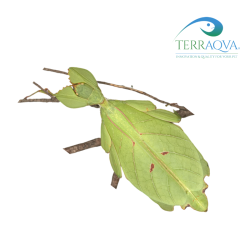
Tropical green leaf stick insect, easy to manage
Widespread in the Rizal area of the Philippines
Needs a well ventilated terrarium or box and humidity 70%
As an adult it reaches 12 cm in size and feeds with bramble leaves, oak, hazel
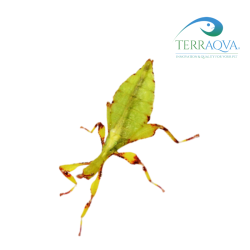
Tropical green leaf stick insect, easy to manage
Widespread in Papua New Guinea
Needs a well ventilated terrarium or box and humidity 70%
As an adult it reaches 12 cm in size and feeds with bramble leaves, oak, hazel
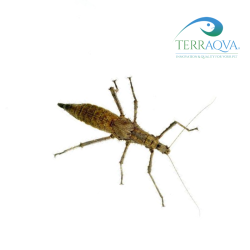
Tropical stick insect, easy to manage but suitable for more experienced breeders
Widespread in Borneo
Needs a well ventilated terrarium or box and humidity 70%
As an adult it reaches 12 cm in size and feeds with bramble leaves, oak, hazel
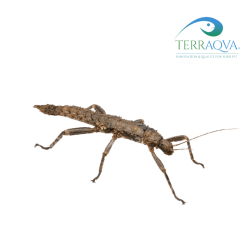
Tropical stick insect, easy to manage but suitable for more experienced breeders
Widespread in Papua New Guinea
Needs a well ventilated terrarium or box and humidity 60-70%
As an adult it reaches 14 cm in size and feeds with bramble leaves or oak
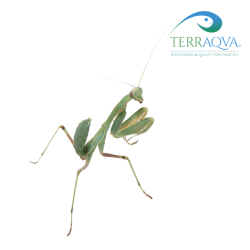
Beautiful mantide typical of Central Africa
Very robust variety, suitable for newbies and quite voracious
They tend to chase prey compared to other mantid
They willingly accept most meal bugs
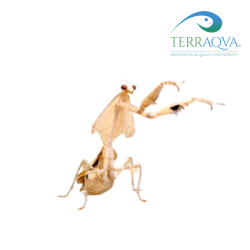
Widespread in Southeast Asia, suitable for newbies
Need for branches where station most of the time
Very prolific variety after mating
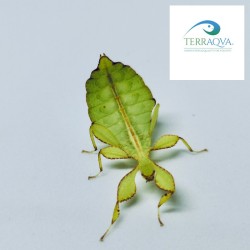
Malaysian green leaf stick insect
Very easy for beginners
It feeds on the leaves of plants such as roses, brambles, oak, and privet
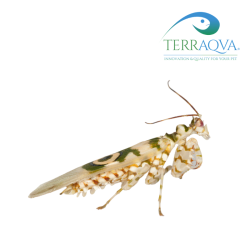
Aggressive level 5 - can only be accommodated one specimen per the not fit
Very simple variety to breed, suitable for newbies
Tropical, feeds on meal bugs
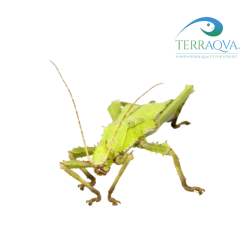
Giant Malaysian stick insect
Difficulty Level 4: - Medium
The adult female is larger and greener than the male, which is smaller and brown
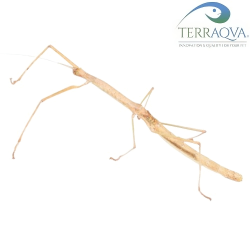
Difficulty Level 1 - Very easy to raise, suitable for beginners
Frequently found in tropical environments
It feeds on host plants such as rose leaves, brambles, oaks, and privet