Italiano


Availability:
Out of stock
Price for 3 Larvae
Easy to breed, even at room temperature
Feeds on foliage and substrate debris
There are 48 products.
Active filters
Price for 3 Larvae
Easy to breed, even at room temperature
Feeds on foliage and substrate debris
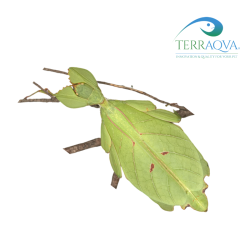
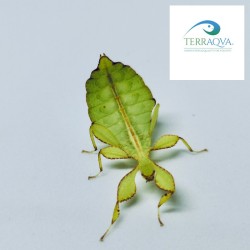
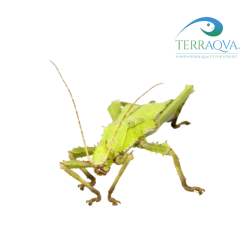
Tropical green leaf stick insect, easy to manage
Widespread in the Rizal area of the Philippines
Needs a well ventilated terrarium or box and humidity 70%
As an adult it reaches 12 cm in size and feeds with bramble leaves, oak, hazel
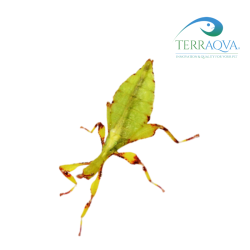
Tropical green leaf stick insect, easy to manage
Widespread in Papua New Guinea
Needs a well ventilated terrarium or box and humidity 70%
As an adult it reaches 12 cm in size and feeds with bramble leaves, oak, hazel
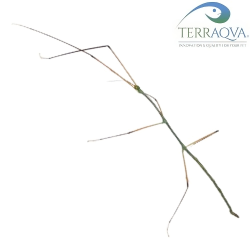
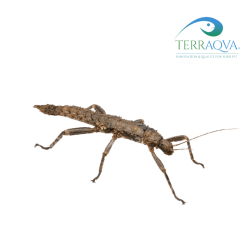
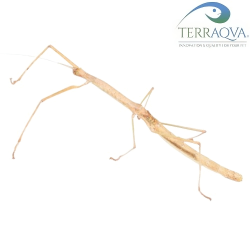
Tropical stick insect, easy to manage but suitable for more experienced breeders
Widespread in Borneo
Needs a well ventilated terrarium or box and humidity 70%
As an adult it reaches 12 cm in size and feeds with bramble leaves, oak, hazel
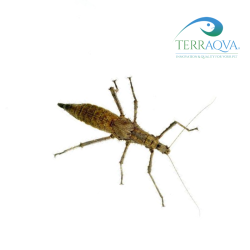
Tropical stick insect, easy to manage but suitable for more experienced breeders
Widespread in Papua New Guinea
Needs a well ventilated terrarium or box and humidity 60-70%
As an adult it reaches 14 cm in size and feeds with bramble leaves or oak
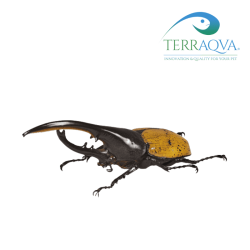
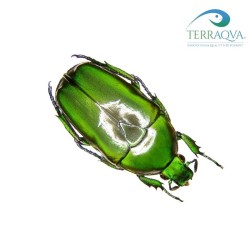
The largest beetle in the world !! up to 15 cm in length
Easy to handle, beautifully colored and great looking
Available individually, larva or pair * (subject to availability)
Aggressive level 1 - low suitable for newbies
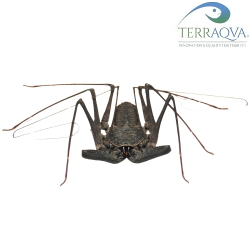
Opportunistic Arachnid, tropical environment
Rapid growth and very active species
Malaysian green leaf stick insect
Very easy for beginners
It feeds on the leaves of plants such as roses, brambles, oak, and privet
Giant Malaysian stick insect
Difficulty Level 4: - Medium
The adult female is larger and greener than the male, which is smaller and brown
Difficulty Level 1 - Very easy to raise, suitable for beginners
Frequently found in tropical environments
It feeds on host plants such as rose leaves, brambles, oaks, and privet
Difficulty level 4 - medium/low suitable for beginners
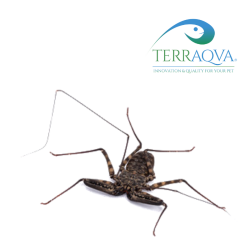
Opportunistic Arachnid that need a tropical environment
Grow Rapidly and is very active species, especially during nighttime